Should Older Cars Get 3M Anti-Corrosion Treatment?
As a car gets older, its underbody, chassis, metal components, and exposed areas face continuous exposure to moisture, road dust, mud, humidity, and other environmental conditions. While regular washing and servicing help maintain a vehicle, corrosion can develop gradually in areas that are difficult to inspect.
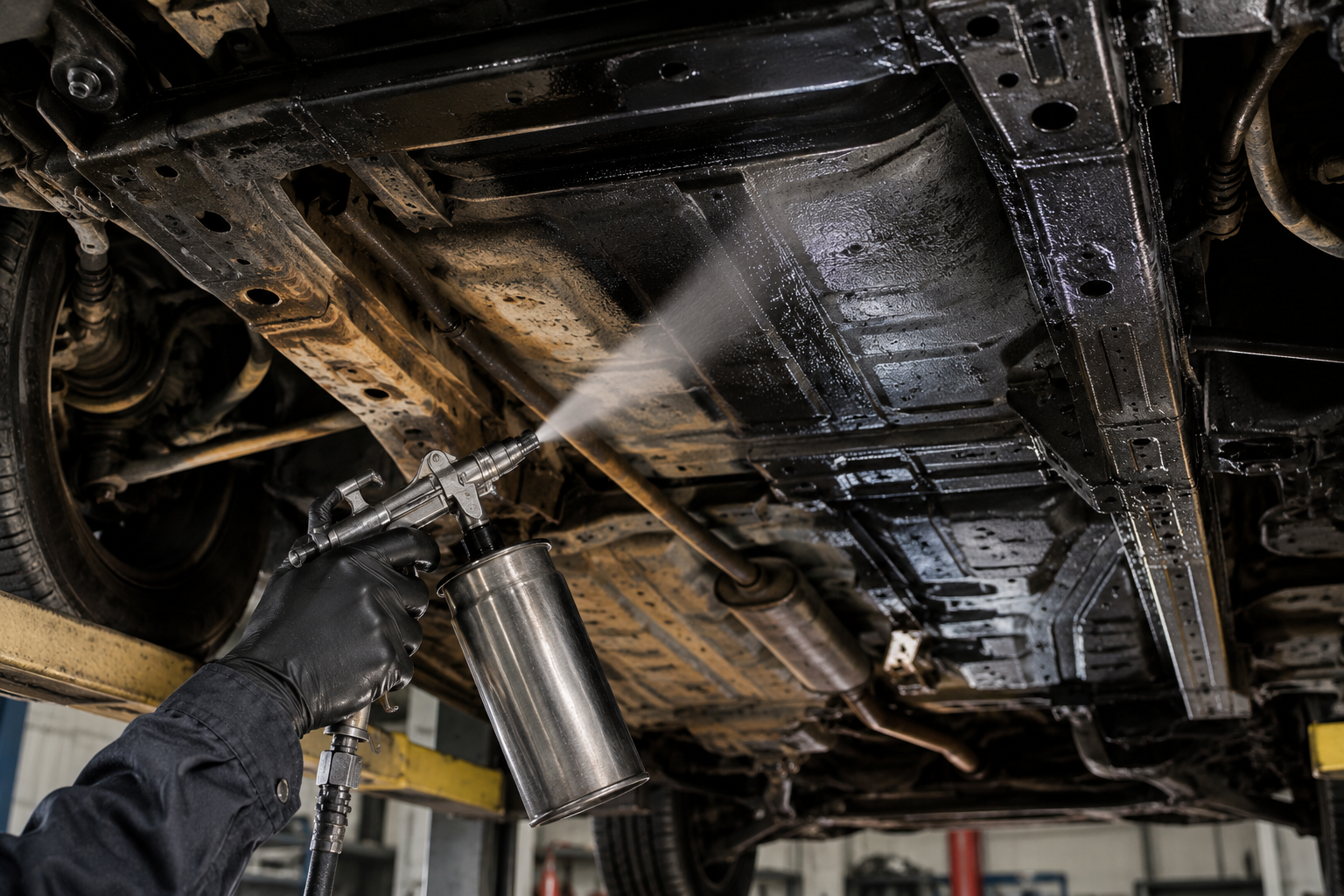
This is why older vehicle owners may consider 3M Anti-Corrosion Treatment as part of their long-term car maintenance routine. The treatment is designed to protect the car's underbody, chassis, and exposed areas from rust, corrosion, and environmental damage.
But is anti-corrosion treatment really useful for an older car? The answer depends on the vehicle's age, condition, driving environment, and existing signs of corrosion.
Why Older Cars May Be More Vulnerable to Corrosion
Corrosion is a gradual process. A vehicle's underbody is regularly exposed to water, mud, dust, road contaminants, and moisture. Over several years, this repeated exposure can affect exposed metal surfaces.
Older vehicles may also have accumulated small scratches, stone impacts, worn protective layers, or areas where moisture can remain trapped. These conditions can increase the importance of regular underbody inspection.
Unlike visible paint damage, corrosion can sometimes develop in areas that are not easily noticed during everyday cleaning. Checking the underbody periodically is therefore an important part of maintaining an older vehicle.
What Does 3M Anti-Corrosion Treatment Do?
3M Anti-Corrosion Treatment is intended to protect the vehicle's underbody, chassis, and exposed areas against rust, corrosion, and environmental damage.
The purpose of an anti-corrosion treatment is not to make an old vehicle permanently immune to rust. Instead, it provides an additional protective measure for vulnerable areas and forms part of a broader vehicle-maintenance strategy.
The condition of the vehicle should always be assessed before treatment. Existing corrosion, damaged surfaces, accumulated mud, or other issues may need attention before protection is applied.
Signs Your Older Car May Need Attention
An older car may benefit from an underbody inspection if you notice visible rust, paint deterioration around metal areas, persistent mud accumulation underneath the vehicle, or evidence that the car is frequently exposed to moisture.
Cars driven regularly through muddy roads or parked outdoors may also require greater attention to underbody maintenance.
However, visible rust is not the only reason to inspect a vehicle. Even when the exterior looks good, hidden areas underneath the car can experience environmental exposure.
How Bangalore Driving Conditions Can Affect the Underbody
Urban driving exposes cars to a combination of dust, road debris, moisture, traffic conditions, and changing weather. During rainy periods, water and mud can reach the underside of the vehicle and remain around areas that are difficult to clean manually.
Vehicles that frequently travel through construction areas, unpaved roads, or waterlogged sections may experience additional exposure to contaminants.
For an older vehicle, these conditions make routine underbody cleaning and inspection particularly important. 3M Anti-Corrosion Treatment can be considered as an additional protective step when appropriate for the vehicle's condition.
Does Anti-Corrosion Treatment Remove Existing Rust?
An important distinction is that corrosion protection and rust repair are not necessarily the same thing.
If a vehicle already has significant rust or corrosion, simply applying a protective treatment over the affected area may not address the underlying problem. The existing condition should first be inspected and treated appropriately.
Professional assessment can help determine whether the vehicle needs cleaning, rust treatment, surface preparation, repairs, or protective application.
This is particularly important for older cars because corrosion can sometimes extend beyond what is immediately visible.
Why Surface Preparation Matters
Before applying any protective treatment, the condition and cleanliness of the relevant surfaces matter. Dirt, mud, moisture, and contaminants should be addressed appropriately so the treatment can be applied correctly.
An improperly prepared surface can compromise the effectiveness of any protective application. Professional technicians can inspect the vehicle and determine the appropriate preparation required before proceeding.
This is one reason car owners should avoid choosing an anti-corrosion service based solely on price.
Should Every Older Car Get Anti-Corrosion Treatment?
Not necessarily. Vehicle age alone does not determine whether a car needs corrosion protection.
A well-maintained older car that is primarily driven in controlled conditions may have different requirements from a vehicle that regularly travels through muddy roads, heavy rain, or areas with significant environmental exposure.
The vehicle's underbody condition, usage pattern, parking environment, maintenance history, and existing corrosion should all be considered.
For some older vehicles, 3M Anti-Corrosion Treatment may be a useful preventive maintenance option. For others, inspection and repair of existing issues may be the priority.
Preventive Protection Can Be Better Than Waiting
Corrosion can become more complicated when it is ignored for a long period. Early inspection allows vehicle owners to identify vulnerable areas before they potentially develop into larger maintenance concerns.
Preventive maintenance does not guarantee that corrosion will never occur, but it can be part of a sensible strategy for protecting exposed vehicle components.
For owners planning to keep an older vehicle for several more years, investing in appropriate protective maintenance can make sense when recommended after inspection.
What Should You Check Before Choosing the Treatment?
Before booking an anti-corrosion service, ask the service provider to inspect the vehicle's underbody and explain its condition. It is useful to understand which areas will be treated and what preparation is included.
Vehicle owners should also ask whether existing rust or damage needs to be addressed separately. A professional approach should focus on the actual condition of the vehicle rather than automatically recommending the same treatment for every car.
At 3M Car Care Studio Bangalore, 3M Anti-Corrosion Treatment is listed as a service designed to protect the underbody, chassis, and exposed areas from rust, corrosion, and environmental damage. The studio operates at Nagasandra and Kanakapura Road in Bangalore.
How to Maintain an Older Car After Treatment
Anti-corrosion treatment should be considered part of ongoing maintenance rather than a replacement for regular vehicle care.
Keep the underbody reasonably clean, particularly after driving through muddy or waterlogged areas. Periodic inspections can also help identify new rust, damaged protective surfaces, or areas where contaminants have accumulated.
Routine servicing and timely repair of damaged components remain important even after protective treatment.
Conclusion
Older cars can face increased exposure to environmental conditions simply because they have spent more time on the road. Moisture, mud, road contaminants, and repeated exposure can affect the underbody and other exposed metal areas over time.
3M Anti-Corrosion Treatment can be considered as a preventive protection measure for suitable vehicles, particularly when the car is regularly exposed to moisture, mud, and demanding driving conditions. However, treatment should follow a proper inspection and surface-preparation process.
If your older car shows signs of rust or has spent years exposed to challenging road conditions, a professional underbody inspection can help determine whether anti-corrosion protection is appropriate.
Frequently Asked Questions
Is anti-corrosion treatment useful for older cars?
It can be useful for suitable older vehicles as an additional protective measure. The decision should depend on the vehicle's underbody condition, usage, exposure to moisture, and existing corrosion.
Can anti-corrosion treatment stop existing rust?
A protective treatment is not necessarily a rust-repair solution. Existing corrosion should be inspected and addressed appropriately before applying protective treatment.
How often should an older car's underbody be inspected?
There is no single schedule for every vehicle. Inspection frequency can depend on driving conditions, weather exposure, parking environment, vehicle age, and previous corrosion issues.
Is anti-corrosion treatment only necessary during the monsoon?
No. Moisture and environmental contaminants can affect the underbody throughout the year. Rainy conditions can increase exposure, but regular inspection and maintenance are useful regardless of season.
Can I apply anti-corrosion protection without cleaning the underbody?
Proper preparation is important. Dirt, mud, moisture, and existing surface problems should be assessed and addressed before protective treatment is applied.