How 3M Graphene Coating Handles Bird Droppings, Tree Sap and Insect Marks
A car's paint faces more than just dust and road grime. Bird droppings, tree sap, insect marks, water spots, pollution, and everyday environmental contaminants can stick to the surface and become difficult to remove. If these contaminants remain on automotive paint for too long, they can affect the finish and appearance of the vehicle.
This is where 3M Graphene Coating can provide an additional layer of paint protection. At 3M Car Care Studio Bangalore, graphene coating is offered as a paint protection solution designed to create a hydrophobic layer that enhances shine and makes routine maintenance easier.
What Makes Bird Droppings Harmful to Car Paint?
Bird droppings contain acidic and organic compounds that can become more aggressive when exposed to heat and sunlight. When left on a vehicle for an extended period, they may bond strongly with the paint surface and potentially contribute to staining or etching.
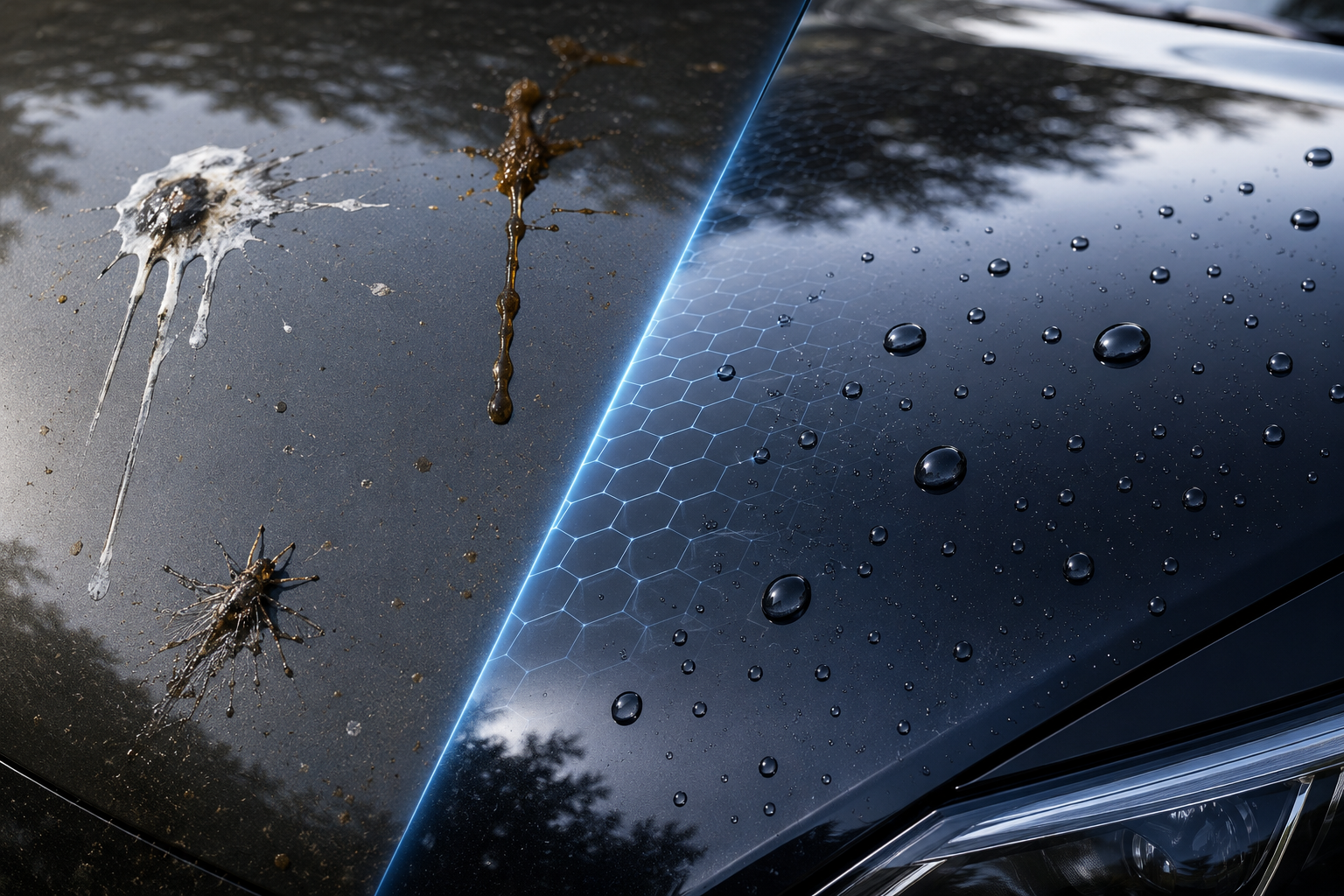
A graphene coating does not mean bird droppings can never affect the paint. Instead, its hydrophobic surface can make contaminants less likely to strongly adhere to the coated surface. This can make prompt cleaning easier and reduce the amount of scrubbing required.
The best approach is still to remove bird droppings as soon as reasonably possible using appropriate car-cleaning methods rather than allowing them to remain on the vehicle.
How Graphene Coating Helps With Tree Sap
Parking under trees can expose vehicles to sticky tree sap. Fresh sap can be difficult enough to remove, while older deposits can become harder and more firmly attached after exposure to sunlight.
3M Graphene Coating creates a hydrophobic protective surface that can help reduce the tendency of contaminants to cling tightly to the paint. This can make routine cleaning more convenient, especially for vehicles that are frequently parked outdoors.
However, tree sap should not be scraped aggressively from the paint. Using suitable automotive cleaning products and professional detailing methods is safer than using sharp objects or excessive pressure.
Protection Against Insect Marks
Insects can leave residue on bumpers, bonnets, mirrors, and the front sections of vehicles, particularly during highway driving. Insect remains may contain organic material that becomes increasingly difficult to clean when exposed to heat.
A hydrophobic coating can help make the surface easier to maintain by reducing adhesion. When contaminants are removed promptly, there is less need for aggressive cleaning.
This is one reason graphene car coating is considered by car owners who want easier maintenance along with enhanced gloss.
Understanding the Hydrophobic Effect
One of the key characteristics of 3M Graphene Coating is its hydrophobic layer. Hydrophobic surfaces have a reduced affinity for water, allowing water and certain contaminants to bead and move more easily across the surface.
For vehicle owners, this can mean easier routine washing and less effort when dealing with everyday surface contaminants. The coating also contributes to the glossy appearance associated with professionally protected automotive paint.
It is important to understand that hydrophobicity is not the same as complete chemical or stain resistance. A coating provides protection, but proper maintenance remains essential.
Does Graphene Coating Prevent Paint Damage Completely?
No paint protection coating should be considered completely damage-proof. 3M Graphene Coating can provide a protective hydrophobic layer, but contaminants should still be removed promptly.
Bird droppings, tree sap, insect residue, hard water deposits, and other contaminants can become more difficult to remove when exposed to heat and sunlight for long periods. The coating can make maintenance easier, but it does not replace regular washing and responsible vehicle care.
For maximum benefit, car owners should follow appropriate maintenance recommendations after coating installation.
Graphene Coating vs Regular Unprotected Paint
On unprotected automotive paint, contaminants can directly contact the paint surface. Sticky substances such as sap and insect residue may require more effort to remove, particularly after they have dried.
With a graphene coating, the vehicle has an additional protective layer between the contaminants and the underlying paint. The hydrophobic characteristics can help reduce contamination adhesion while making washing more convenient.
This does not mean that an uncoated car will immediately suffer paint damage. Rather, a professionally applied coating can provide an additional layer of protection and improve everyday maintenance.
Why Professional Application Matters
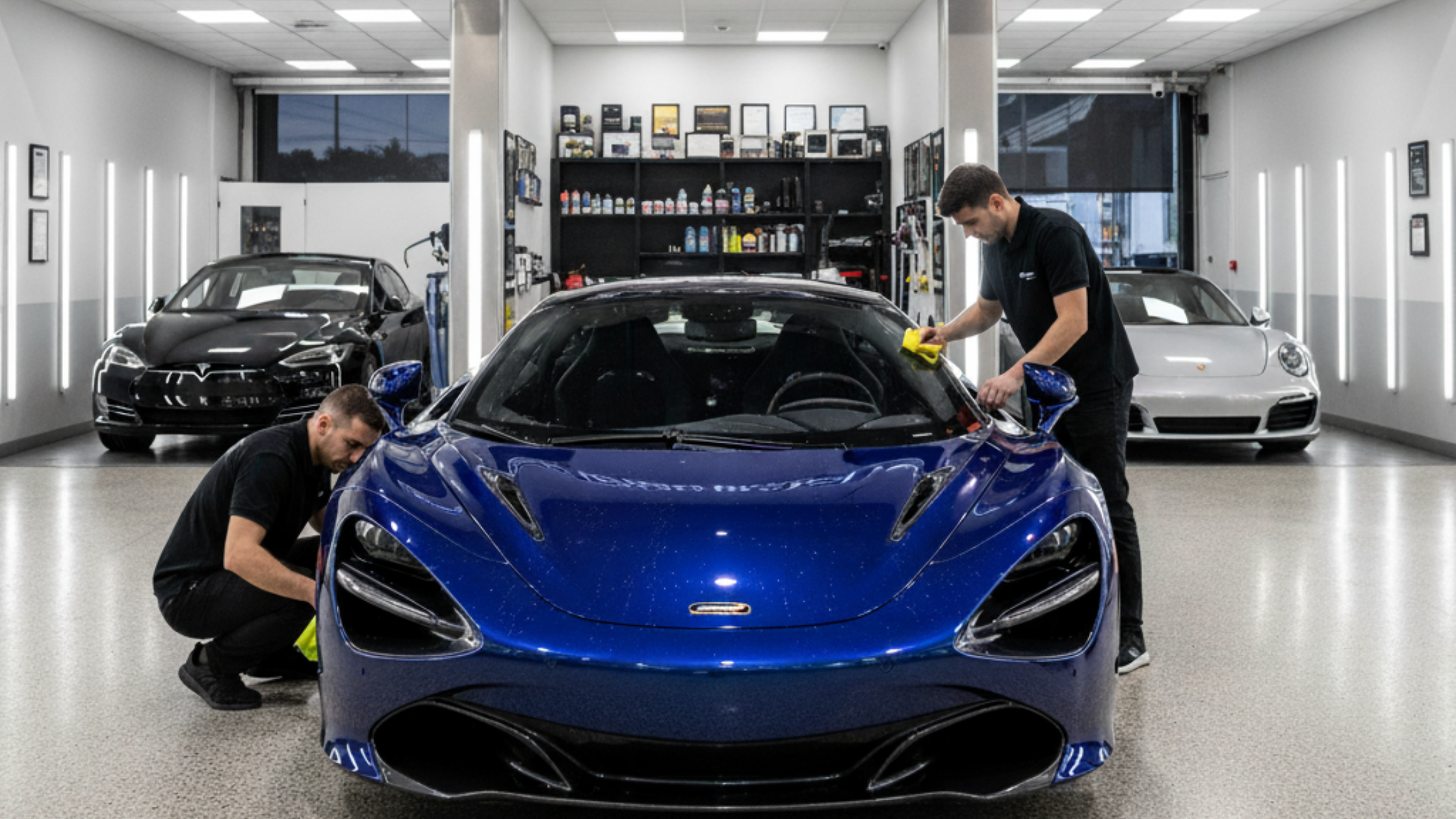
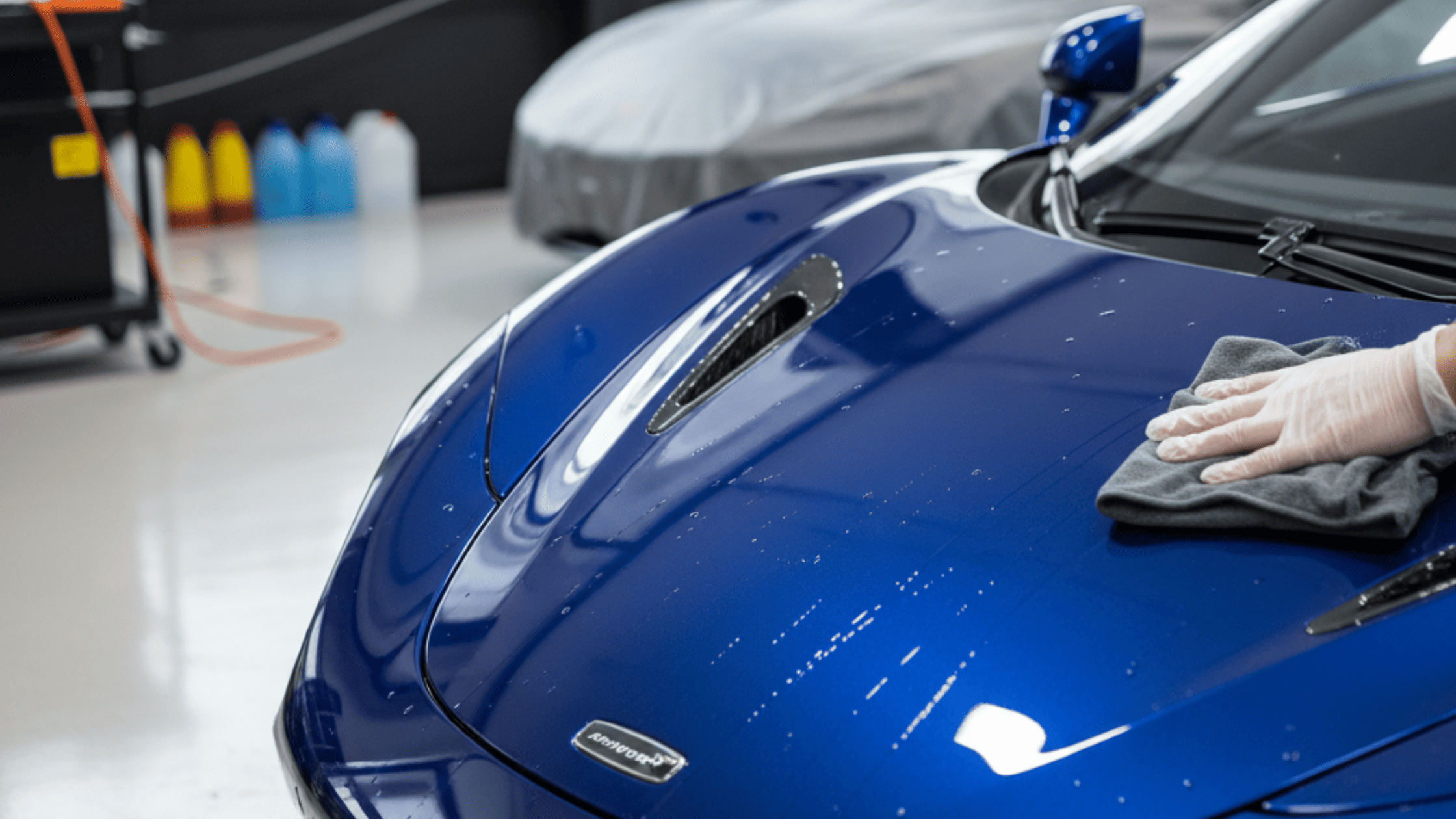
The performance of any automotive coating depends not only on the product but also on surface preparation and application. Before coating, the vehicle's paint should be thoroughly cleaned and prepared so that contaminants do not remain underneath the protective layer.
Professional car detailing also allows technicians to assess the condition of the existing paint before applying the coating. This is particularly important for vehicles with swirl marks, stains, oxidation, or other surface imperfections.
At 3M Car Care Studio Bangalore, graphene coating is listed among its paint protection services, alongside ceramic coating and paint protection film.
How to Maintain a Graphene-Coated Car
A coated vehicle still requires regular washing. When bird droppings, tree sap, or insect marks appear, they should ideally be removed without unnecessary delay.
Use products and washing techniques suitable for coated automotive surfaces. Avoid abrasive materials, harsh household chemicals, or aggressive scrubbing that could compromise the finish.
Regular maintenance also helps preserve the visual appeal and hydrophobic characteristics of the coating over time.
Is Graphene Coating Suitable for Bangalore Conditions?
Bangalore vehicles experience a combination of urban pollution, dust, intense sunlight, rain, traffic conditions, and outdoor parking. Cars parked beneath trees or driven frequently on highways may also encounter bird droppings, tree sap, and insect residue.
3M Graphene Coating can be a practical option for owners looking for enhanced paint protection, gloss, and easier maintenance in everyday driving conditions.
The right protection ultimately depends on the vehicle's usage, parking environment, paint condition, and the owner's maintenance expectations.
Conclusion
Bird droppings, tree sap, and insect marks are common environmental contaminants that can make car paint difficult to maintain. A professional graphene coating can create a hydrophobic protective layer that helps reduce contaminant adhesion and makes routine cleaning easier.
3M Graphene Coating is not a substitute for proper car care, but it can complement regular washing and maintenance by adding another level of surface protection. When professionally applied and correctly maintained, it can help preserve the appearance of automotive paint while delivering a glossy, easier-to-clean finish.
Frequently Asked Questions
Does graphene coating prevent bird droppings from damaging paint?
It can provide an additional protective layer and make contaminants easier to remove, but bird droppings should still be cleaned promptly.
Can graphene coating protect against tree sap?
A hydrophobic coating can reduce the tendency of sticky contaminants to adhere strongly to the surface. Tree sap should still be removed as soon as possible.
Does graphene coating remove existing stains?
A coating is primarily a protection layer. Existing stains or paint imperfections may require professional cleaning, polishing, or paint correction before coating.
Is graphene coating better than leaving car paint unprotected?
A professionally applied coating provides an additional protective layer and hydrophobic properties that unprotected paint does not have.
How should I maintain a graphene-coated car?
Wash the vehicle regularly using suitable automotive products, avoid abrasive cleaning methods, and remove bird droppings, sap, and insect residue promptly.