Anti-Rust Coating for Used Cars: When Should You Consider It?
Buying a used car can be a practical decision, especially when the vehicle is well-maintained and offers good value. However, while most buyers inspect the engine, tyres, and exterior paint, they often overlook one important area: the underbody. Constant exposure to moisture, road debris, and changing weather conditions can gradually cause rust to develop underneath a vehicle.
This is where anti-rust coating for cars becomes an important consideration. A protective coating helps shield vulnerable metal surfaces from environmental damage and may reduce future corrosion-related repairs.
For used car owners in Bangalore, understanding when rust protection is necessary can help maintain vehicle condition, safety, and long-term value.
Why Are Used Cars More Vulnerable to Rust?
Unlike new vehicles, used cars have already experienced years of exposure to different road and weather conditions. Even when the exterior looks spotless, the underbody may show signs of wear.
Several factors contribute to rust formation:
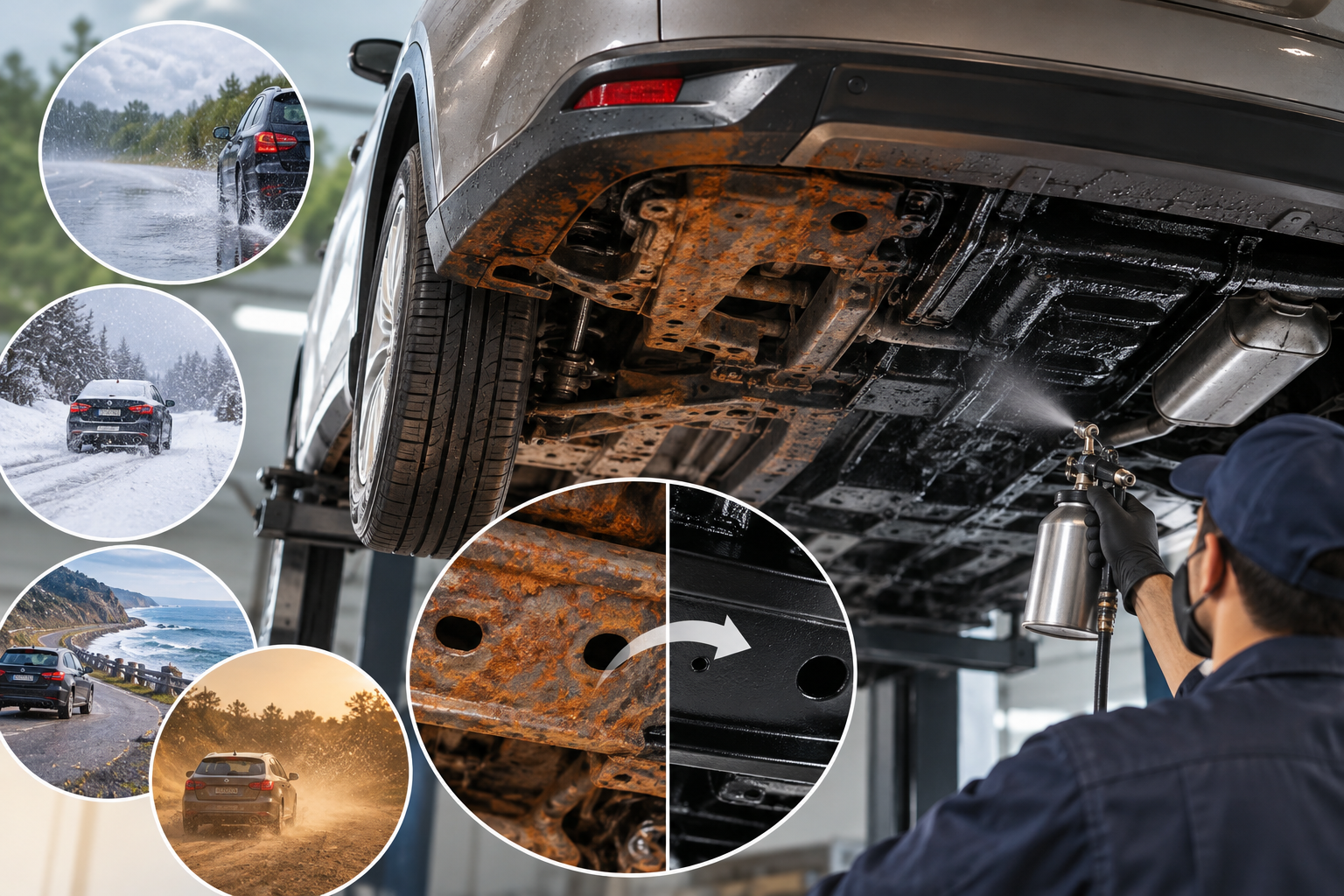
- Rainwater exposure: Moisture can accumulate in underbody joints and hard-to-reach areas.
- Road debris: Stones, gravel, and rough surfaces can damage factory-applied protective coatings.
- Ageing protection: Existing underbody coatings may deteriorate over time.
- Previous maintenance: Poorly repaired scratches or accident damage can leave exposed metal.
- Humidity: Frequent moisture exposure can accelerate corrosion on unprotected surfaces.
Choosing anti-rust coating for cars can help prevent additional corrosion when the metal surfaces are properly inspected and prepared.
When Should You Consider Anti-Rust Coating for a Used Car?
Not every used car requires immediate anti-corrosion treatment. However, certain situations indicate that additional protection may be beneficial.
Immediately After Purchasing a Used Car
A vehicle's maintenance history may not always reveal whether the underbody received adequate protection.
After purchasing a pre-owned car, schedule a professional underbody inspection. If the existing protective layer is worn or damaged, applying anti-rust coating for cars may be a sensible preventive measure.
Before the Monsoon Season
Bangalore experiences significant rainfall during the monsoon months. Wet roads and water accumulation can expose a vehicle's underside to prolonged moisture.
Car underbody coating creates a protective barrier that helps minimise direct contact between metal surfaces and water.
Scheduling an inspection before the rainy season allows technicians to identify areas requiring attention.
When Minor Surface Rust Appears
Small reddish-brown patches on exposed metal components may indicate early corrosion.
However, coating should never be applied directly over untreated rust. Professionals must first assess the damage and clean, treat, or repair affected areas appropriately.
Early intervention can prevent relatively minor issues from developing into expensive repairs.
When the Car Is Frequently Driven on Rough Roads
Road debris, potholes, and gravel can gradually wear away existing underbody protection.
Vehicles regularly driven through construction zones, uneven roads, or waterlogged areas may benefit from periodic inspection and protective treatment.
When You Plan to Keep the Vehicle Long-Term
If you intend to use your pre-owned car for several more years, preventive maintenance becomes particularly important.
Investing in anti-rust coating for cars may help protect vulnerable underbody surfaces and reduce the likelihood of certain corrosion-related maintenance expenses.
Warning Signs That Your Used Car Needs Rust Protection
Rust often develops in areas that are difficult to inspect without lifting the vehicle.
Look for these warning signs:
- Reddish-brown patches beneath the car
- Peeling or damaged underbody coating
- Corrosion around wheel arches
- Rust near door edges and metal seams
- Visible deterioration around exposed metal joints
- Flaking metal or signs of previous corrosion repairs
If you notice these symptoms, arrange an inspection before considering anti-corrosion treatment.
Advanced rust, especially around structural components, may require professional repair rather than coating alone.
How Does Anti-Rust Coating Protect Used Cars?
Anti-rust coating for cars works by creating a protective layer over suitable metal surfaces, helping limit exposure to moisture and environmental contaminants.
A professional application generally involves the following stages.
Underbody Inspection
Technicians examine the vehicle's underside for corrosion, damaged coatings, and vulnerable areas.
Surface Cleaning and Preparation
Mud, grease, moisture, and loose contaminants are removed. Existing rust and damaged surfaces must be addressed before application.
Protective Coating Application
A suitable anti-corrosion product is applied to approved areas of the underbody and other exposed metal surfaces.
Drying and Final Inspection
The coating is allowed to dry or cure according to product specifications. Technicians check coverage and ensure that sensitive mechanical components remain unobstructed.
Proper preparation and application are essential for effective rust prevention.
Benefits of Anti-Rust Coating for Used Cars
Professional anti-rust coating for cars offers several potential advantages for vehicles exposed to challenging environmental conditions.
Helps Prevent Corrosion
The protective barrier reduces direct exposure to moisture and contaminants, helping limit rust development.
Supports Underbody Protection
Underbody coatings help shield suitable exposed surfaces against certain road-related damage.
May Reduce Future Repair Expenses
Preventing avoidable corrosion can help reduce maintenance costs associated with damaged metal components.
Helps Preserve Vehicle Condition
A properly maintained underbody supports the overall condition of a used car and may improve its appeal during resale.
Supports Long-Term Ownership
Preventive rust protection can be valuable for owners planning to retain their vehicles for several years.
Is Anti-Rust Coating Necessary for Every Used Car?
Not necessarily. Some vehicles already have effective factory-applied corrosion protection.
The need for additional treatment depends on vehicle age, previous maintenance, driving conditions, and the condition of existing protective layers.
For example, a relatively new used car with an undamaged underbody may not require immediate recoating.
However, an older vehicle exposed to frequent rainfall or rough roads may benefit from additional protection.
A professional assessment helps determine whether anti-rust coating for cars is appropriate or whether repairs should be completed first.
Why Consider 3M Anti-Corrosion Treatment in Bangalore?
3M Car Care Studio Bangalore offers anti-corrosion treatment designed to protect vehicle underbodies, chassis areas, wheel arches, and other suitable vulnerable surfaces against environmental exposure.
The studio provides professional car care services at its Nagasandra and Kanakapura Road locations. Its anti-corrosion service is intended for both new and used vehicles.
For used car owners exploring anti-rust coating for cars, professional inspection and appropriate surface preparation are important steps before treatment.
Conclusion
Rust prevention is an important part of maintaining a used car, particularly when it is regularly exposed to moisture, rough roads, and seasonal rainfall.
Although every vehicle has different protection requirements, timely inspection can help identify corrosion risks before they become serious.
Anti-rust coating for cars is worth considering when the existing underbody protection has deteriorated, minor corrosion has been properly treated, or the vehicle faces frequent environmental exposure.
If you own a pre-owned vehicle in Bangalore, consider visiting 3M Car Care Studio for an underbody assessment and guidance on suitable anti-corrosion treatment.
Frequently Asked Questions
1. Is anti-rust coating necessary for a used car?
It depends on the vehicle's age, existing underbody protection, and exposure to moisture. A professional inspection can determine whether additional coating is beneficial.
2. Can anti-rust coating be applied to an old car?
Yes, provided the underbody is suitable for treatment. Existing corrosion must be assessed and properly addressed before the coating is applied.
3. Does anti-rust coating remove existing rust?
No. Protective coatings primarily help prevent further corrosion. Existing rust must be treated or repaired before application.
4. How long does car underbody coating last?
Durability varies according to the product, application quality, road conditions, and vehicle maintenance. Follow the service provider's inspection and recoating recommendations.
5. Is anti-rust coating useful during Bangalore's monsoon season?
Yes. Properly applied coatings can help protect vulnerable underbody surfaces from moisture exposure during rainy conditions.
6. What is the difference between anti-rust coating and ceramic coating?
Anti-rust treatment primarily protects vulnerable metal and underbody surfaces from corrosion. Ceramic coating is generally applied to exterior painted surfaces for easier cleaning and environmental protection.
7. Can anti-rust coating improve a used car's resale value?
It may help preserve the vehicle's condition, which can support resale appeal. However, resale value depends on several factors, including age, mileage, and maintenance history.
8. Where can I get professional anti-corrosion treatment in Ban
You can enquire about 3M Anti-Corrosion Treatment at 3M Car Care Studio's Nagasandra or Kanakapura Road locations in Bangalore.