Car Wraps and Custom Styling: The Complete Guide to Transform Your Vehicle
Whether you own a luxury sedan, a commercial fleet vehicle, or a personal SUV, car wraps and custom styling have become one of the most powerful ways to transform the look of any vehicle — without the permanence or high cost of a full repaint.
In this complete guide, we walk you through everything: types of wraps, the process, costs, durability, and how to make the right decision for your vehicle.
What Are Car Wraps and Custom Styling?
Car wraps and custom styling refer to the application of large vinyl sheets or films directly over a vehicle's original paint surface. These films can mimic matte finishes, gloss textures, chrome effects, carbon fibre patterns, satin colours, and even full-colour digital print designs.
Unlike traditional spray paint, car wraps are non-permanent. This means you can completely change your vehicle's appearance today and restore it to the original factory finish tomorrow — with no damage to the underlying paintwork.
Custom styling takes it a step further. It can include partial wraps, accent strips, roof wraps, bonnet wraps, custom decals, and branded graphics for businesses — turning your vehicle into a moving advertisement or a personal style statement.
Types of Car Wraps Available
When exploring car wraps and custom styling, you'll find several categories to choose from:
-
Full Body Wrap — Covers the entire exterior of the vehicle for a completely new look
-
Partial Wrap — Covers specific sections such as the roof, bonnet, boot, or side panels
-
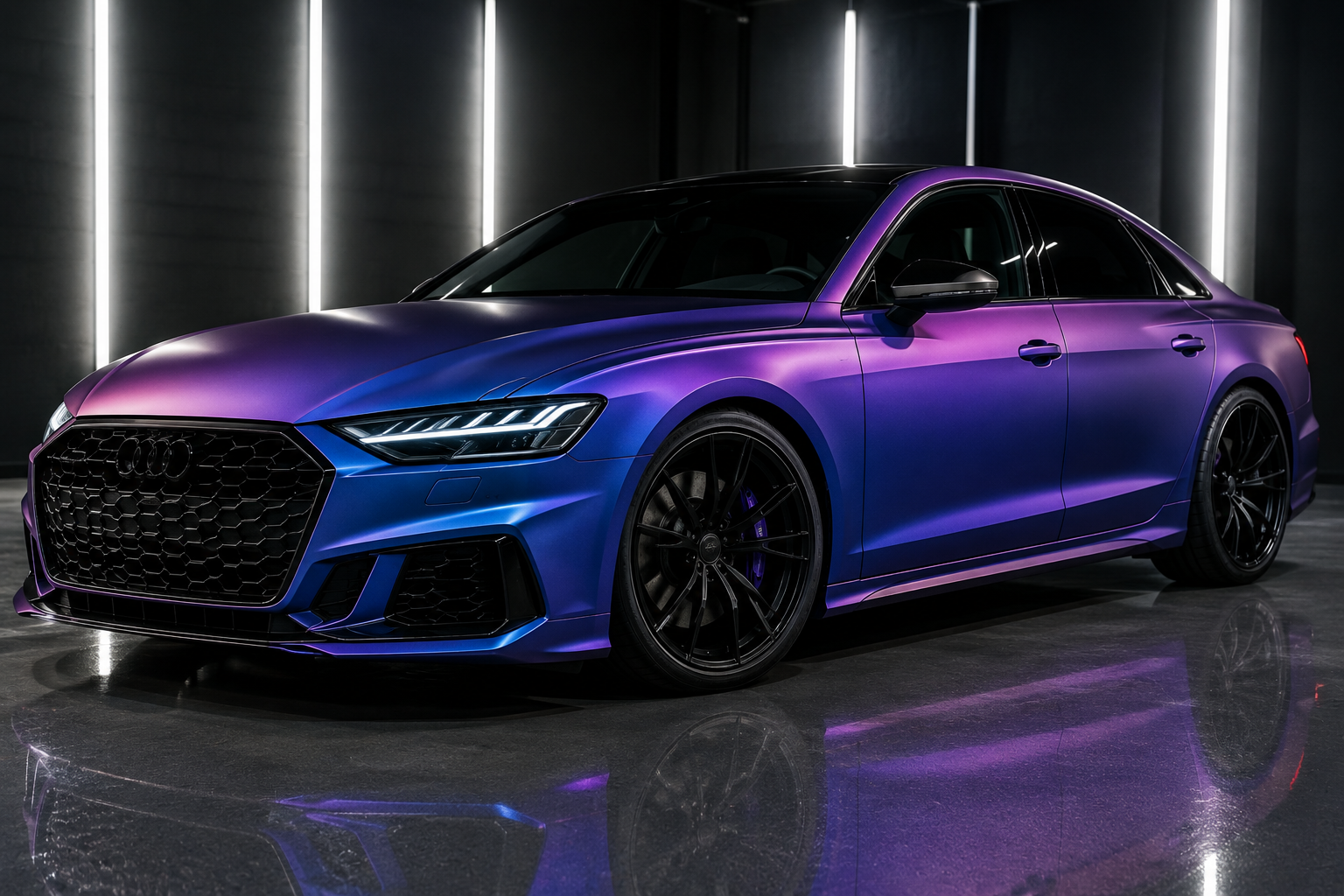
Colour Change Wrap — Changes your car's colour without permanent paint; popular in matte black, satin grey, and midnight blue
-
Textured Wraps — Carbon fibre, brushed aluminium, or leather-look finishes
-
Chrome and Metallic Wraps — High-shine finishes for premium aesthetics
-
Printed / Custom Design Wraps — Full-colour digital artwork, branding, logos, and patterns
-
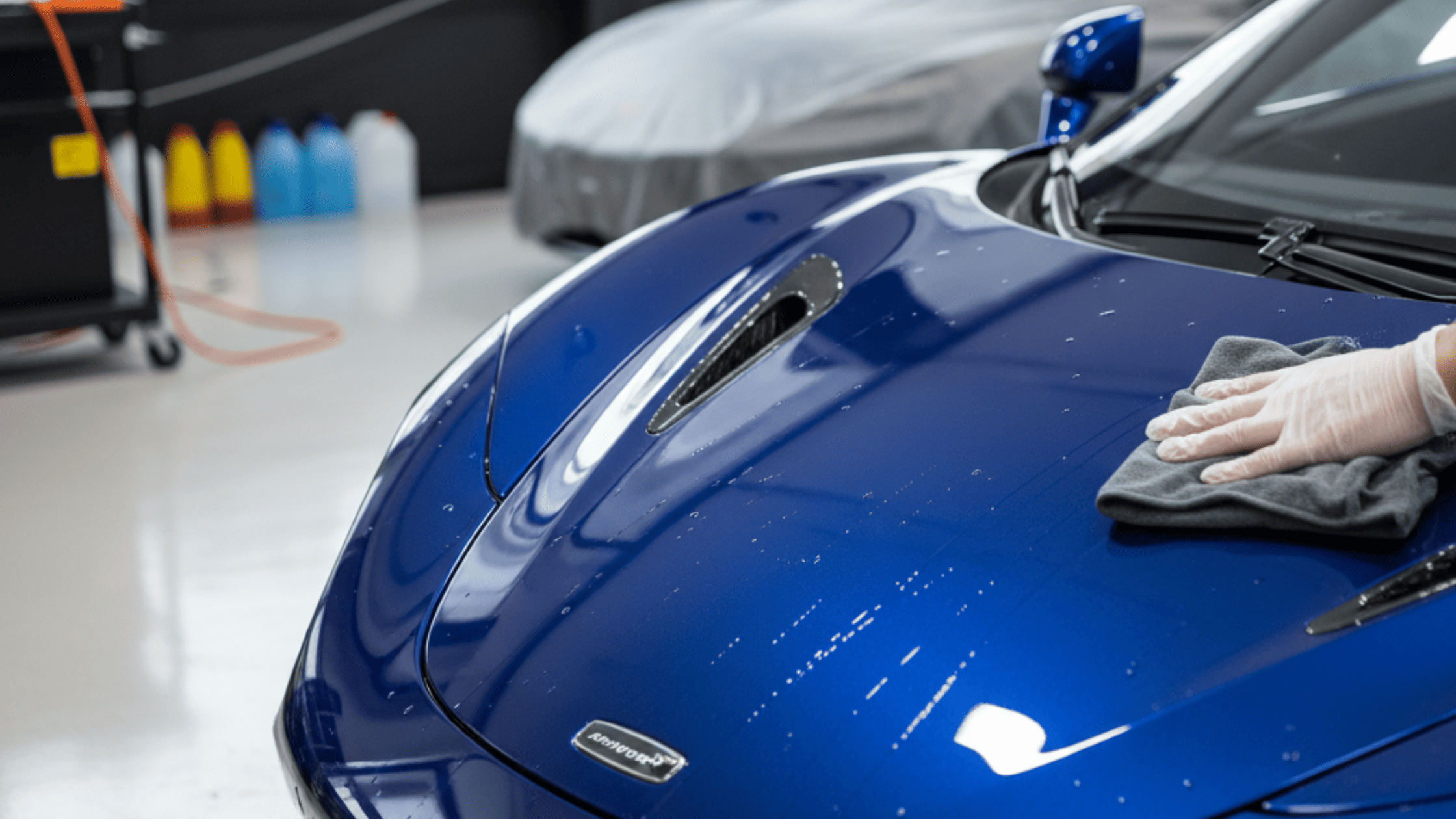
Protective PPF (Paint Protection Film) — Clear film that protects paint from scratches and stone chips while maintaining the original colour
Each type serves a different purpose — whether aesthetic, protective, or commercial.
Benefits of Car Wraps Over Traditional Paint
One of the most common questions is: why wrap when you can repaint?
Here's why car wraps and custom styling have become the preferred choice:
-
Non-destructive — The original paint stays intact underneath
-
Reversible — Remove it anytime and return to factory finish
-
Cost-effective — A quality wrap is typically 30–50% cheaper than a premium paint job
-
Faster turnaround — Most wraps are completed in 2–5 days vs. weeks for bodywork
-
Resale value protection — The original paint is preserved, which maintains vehicle value
-
Endless design options — Custom colours, textures, and printed graphics are all possible
-
Advertising potential — Ideal for businesses looking for mobile branding solutions
-
Paint protection — Vinyl shields the surface from minor abrasions, UV fading, and environmental damage
For both personal vehicle owners and business fleet operators, the value is clear.
How the Car Wrap Process Works
Understanding the process helps you set realistic expectations. Here is a step-by-step view of how professional car wraps and custom styling are applied:
-
Step 1 — Vehicle Inspection The car is inspected for existing paint damage, scratches, rust, or surface irregularities. Wrapping over damaged paint leads to poor adhesion and early peeling.
-
Step 2 — Thorough Cleaning The vehicle is washed, clay-barred, and degreased to ensure a perfectly clean surface.
-
Step 3 — Design and Material Selection You select your preferred wrap film — colour, texture, finish, and any custom printed design. Your wrap installer will source the vinyl from premium brands like 3M, Avery Dennison, or KPMF.
-
Step 4 — Cutting and Preparation The film is cut using precision plotters and pre-fitted to each panel of the vehicle.
-
Step 5 — Application Skilled installers apply the vinyl using squeegees and heat guns to eliminate air bubbles and ensure clean edges around curves, door handles, and trim areas.
-
Step 6 — Post-Heating and Finishing The edges are heat-sealed, the film is inspected for bubbles or lifting, and the vehicle is given a final quality check.
-
Step 7 — Curing Period Most wraps need 24–48 hours to fully cure before washing or exposure to heavy rain.
A professional installation done right will look seamless — indistinguishable from factory paint at a glance.
Cost of Car Wraps and Custom Styling
The cost of car wraps and custom styling varies based on vehicle size, wrap type, design complexity, and material brand. Here's a general pricing reference for the Indian market:
| Wrap Type |
Estimated Cost (India) |
| Partial Wrap (bonnet/roof) |
₹8,000 – ₹20,000 |
| Full Colour Change Wrap |
₹35,000 – ₹90,000 |
| Chrome / Metallic Full Wrap |
₹75,000 – ₹1,50,000 |
| Custom Printed Wrap |
₹40,000 – ₹1,20,000 |
| PPF (Paint Protection Film) |
₹25,000 – ₹80,000 |
Note: Luxury SUVs and premium cars cost more due to larger surface area and complex body lines.
Always choose a certified installer over cheap alternatives — improper installation causes bubbling, peeling, and paint damage during removal.
How Long Do Car Wraps Last?
Durability is a major consideration when investing in car wraps and custom styling. With quality materials and professional installation, here's what you can expect:
-
Standard vinyl wraps — 3 to 5 years
-
Premium brands (3M, Avery Dennison) — Up to 7 years
-
PPF (Paint Protection Film) — 5 to 10 years with proper care
Lifespan depends on:
-
Parking habits (covered vs. open parking)
-
-
Maintenance routine (hand wash vs. machine wash)
-
Regular washing with pH-neutral soap, avoiding high-pressure jets directly on edges, and applying vinyl sealant periodically will significantly extend the life of your wrap.
Choosing the Right Car Wrap for Your Vehicle
Here's a quick decision guide to help you pick the right option:
| Your Goal |
Recommended Wrap Type |
| Complete colour change |
Full vinyl colour wrap |
| Protect original paint |
PPF or clear bra |
| Business branding |
Custom printed full/partial wrap |
| Premium luxury look |
Chrome, satin, or brushed metal wrap |
| Low budget refresh |
Partial wrap or roof/bonnet accent |
| Sports or performance aesthetic |
Matte black or carbon fibre wrap |
The best car wraps and custom styling solution is always the one aligned with your purpose, budget, and how long you plan to keep the vehicle.