Full Body vs Partial Paint Protection Film PPF in Kanakapura Road
Your car paint faces daily exposure to dust, sunlight, road debris and minor scratches. Over time, these elements can reduce the shine and affect the overall appearance of your vehicle. This is why Paint Protection Film has become a popular solution for car owners who want long term protection.
If you are considering Paint Protection Film PPF in Kanakapura Road, understanding the difference between full body and partial PPF will help you choose the right option based on your needs and budget.
What Is Paint Protection Film PPF
Paint Protection Film is a transparent protective layer applied on the painted surface of your car. It acts as a shield against scratches, stone chips, stains and environmental damage.
PPF is designed to preserve the original paint of your car while maintaining its gloss and finish. It is commonly used on both new and used vehicles.
Why PPF Is Important for Car Protection
Car paint is one of the most exposed parts of a vehicle. Without protection, it can get damaged due to road conditions, weather and regular usage.
PPF helps reduce damage from minor impacts, UV rays and contaminants. It also helps maintain the resale value of your car by keeping the paint in good condition.
-
What Is Full Body PPF?
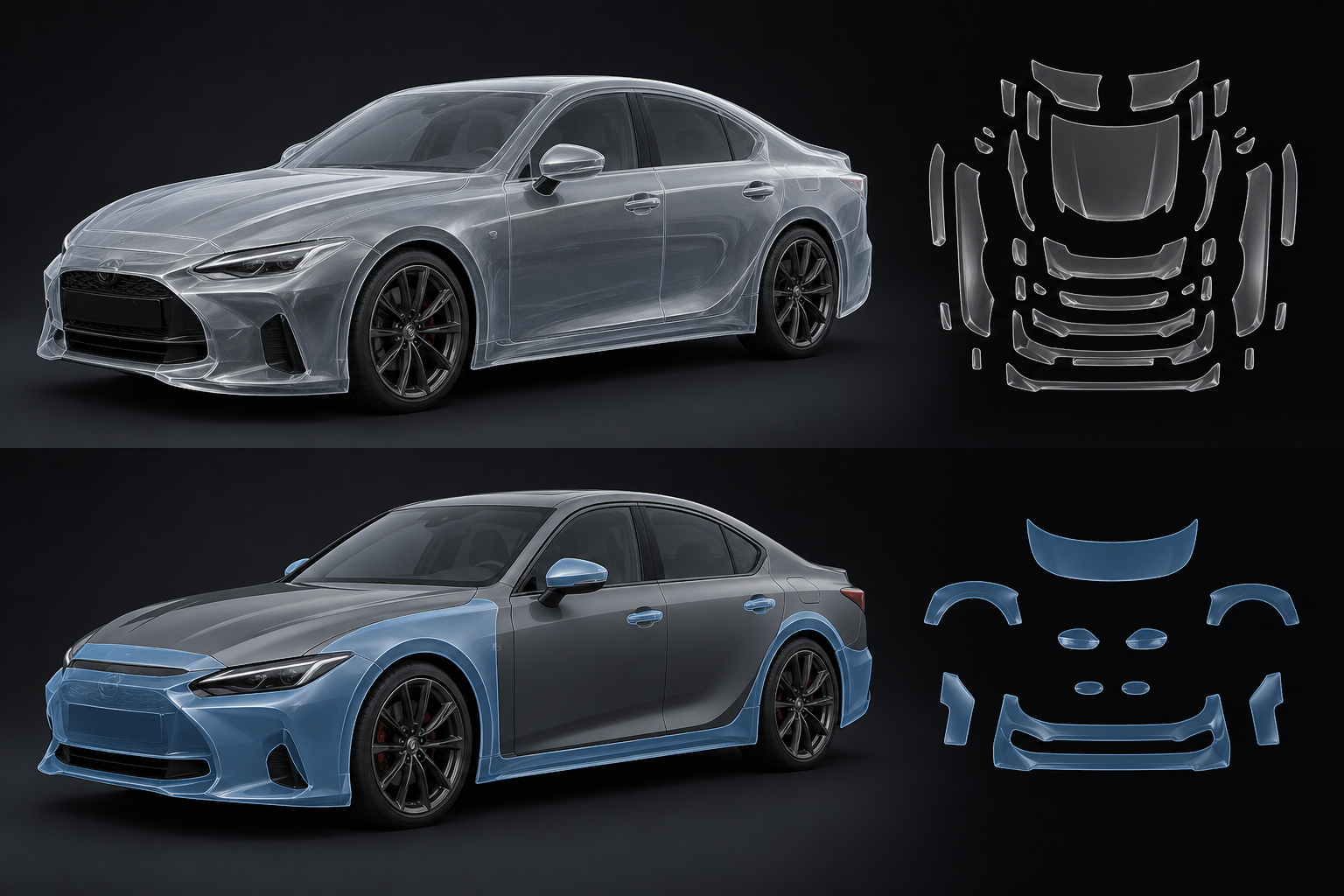
Full body PPF covers the entire painted surface of the car. This includes bonnet, bumper, fenders, doors, roof, mirrors and rear panels.
This option provides complete protection for the vehicle. It ensures that every visible painted area is protected from damage.
-
What Is Partial PPF
Partial PPF covers only selected high impact areas of the car. These areas usually include the front bumper, bonnet, fenders, mirrors and door edges.
This option focuses on protecting areas that are more likely to get damaged during regular driving.
Key Differences Between Full Body PPF and Partial PPF
The main difference between full body and partial PPF is the level of coverage. Full body PPF protects the entire car, while partial PPF protects only specific areas.
Full body PPF offers maximum protection and uniform finish, while partial PPF is more budget friendly and focuses on essential areas.
-
Coverage Areas in Full Body PPF
Full body PPF includes protection for all painted panels of the vehicle. This includes front and rear bumpers, bonnet, roof, doors, side panels and mirrors.
This type of coverage ensures that the entire vehicle is protected from scratches, stains and environmental damage.
-
Coverage Areas in Partial PPF
Partial PPF is applied to areas that face the most exposure. These include front bumper, bonnet, fenders, ORVMs and door handles.
These areas are more prone to stone chips and scratches, which makes partial PPF a practical option for many car owners.
Protection Level Comparison
Full body PPF offers the highest level of protection because it covers the entire vehicle. It protects all panels from damage and maintains a consistent look.
Partial PPF provides good protection for high impact areas but leaves other panels exposed. It is suitable for those who want protection only where it is most needed.
Cost Comparison Between Full Body and Partial PPF
Full body PPF has a higher cost because it involves covering the entire car and requires more material and time.
Partial PPF is more affordable because it focuses only on selected panels. It is a good option for car owners who want protection within a limited budget.
Durability and Long Term Value
Both full body and partial PPF offer durability when installed properly. However, full body PPF provides better long term value because it protects the entire vehicle.
Partial PPF protects only certain areas, so other panels may still require maintenance or repainting over time.
Visual Appearance and Finish Differences
Full body PPF provides a uniform look across the car. The finish appears consistent because all panels are covered.
Partial PPF may create slight differences between protected and unprotected areas, especially over time as exposed panels age differently.
Maintenance and Aftercare Comparison
Both options require proper maintenance to ensure long lasting performance. Regular washing and avoiding harsh chemicals are important
Full body PPF may require less frequent maintenance because the entire surface is protected. Partial PPF may require additional care for unprotected areas.
-
Which Option Is Best for New Cars
For new cars, full body PPF is often the best option. It protects the original paint from the beginning and helps maintain a showroom finish.
If budget is a concern, partial PPF can still provide good protection for key areas.
-
Which Option Is Best for Used Cars
For used cars, the paint condition should be considered first. If the paint is in good condition, full body PPF can help preserve it.
If the car has minor imperfections, partial PPF combined with paint correction can be a practical choice.
When Should You Choose Full Body PPF
Choose full body PPF if you want complete protection for your car. It is ideal for luxury cars, new vehicles and owners who want maximum peace of mind.
It is also suitable for those who want a uniform finish and long term value.
When Should You Choose Partial PPF
Choose partial PPF if you want to protect high impact areas without covering the entire car. It is suitable for daily use vehicles and budget conscious car owners.
It provides essential protection while keeping the cost lower.
Common Mistakes to Avoid While Choosing PPF
Avoid choosing low quality film or untrained installers. Poor installation can lead to bubbles, peeling and uneven finish.
Another common mistake is not understanding your needs before choosing between full body and partial PPF.
Professional Installation vs DIY Application
PPF installation requires skill and experience. DIY application may not provide the same results as professional installation.
Professional studios use proper tools and techniques to ensure smooth application and better durability.
Benefits of Getting PPF at a Professional Car Care Studio
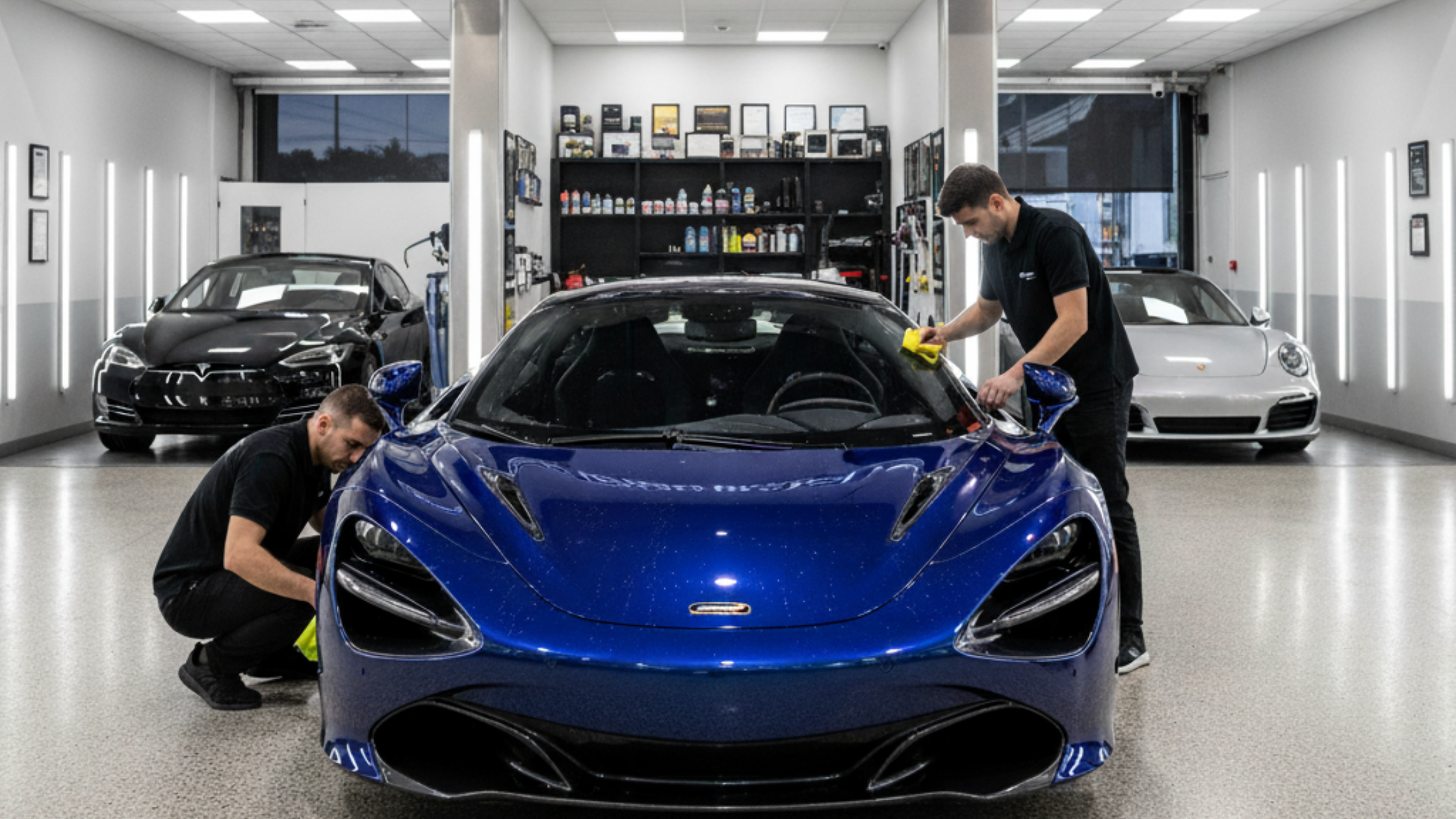
Professional car care studios provide proper inspection, surface preparation, precise application and quality checks.
If you are looking for Paint Protection Film PPF in Kanakapura Road, choosing a trusted studio ensures better results and long lasting protection.
Conclusion
Full body and partial PPF both offer valuable protection for your car. The right choice depends on your budget, usage and expectations.
If you want complete protection, full body PPF is the better option. If you want focused protection at a lower cost, partial PPF works well.
Choosing professional Paint Protection Film PPF in Kanakapura Road ensures that your car gets the care and protection it deserves.