Full Car PPF vs Partial PPF: Which Coverage Is Right for Your Driving?
Maintaining a car's original paint finish can be challenging, especially when driving through busy city roads, highways, and unpredictable weather conditions. Small stones, road debris, parking scratches, and environmental contaminants can gradually affect the appearance of your vehicle.
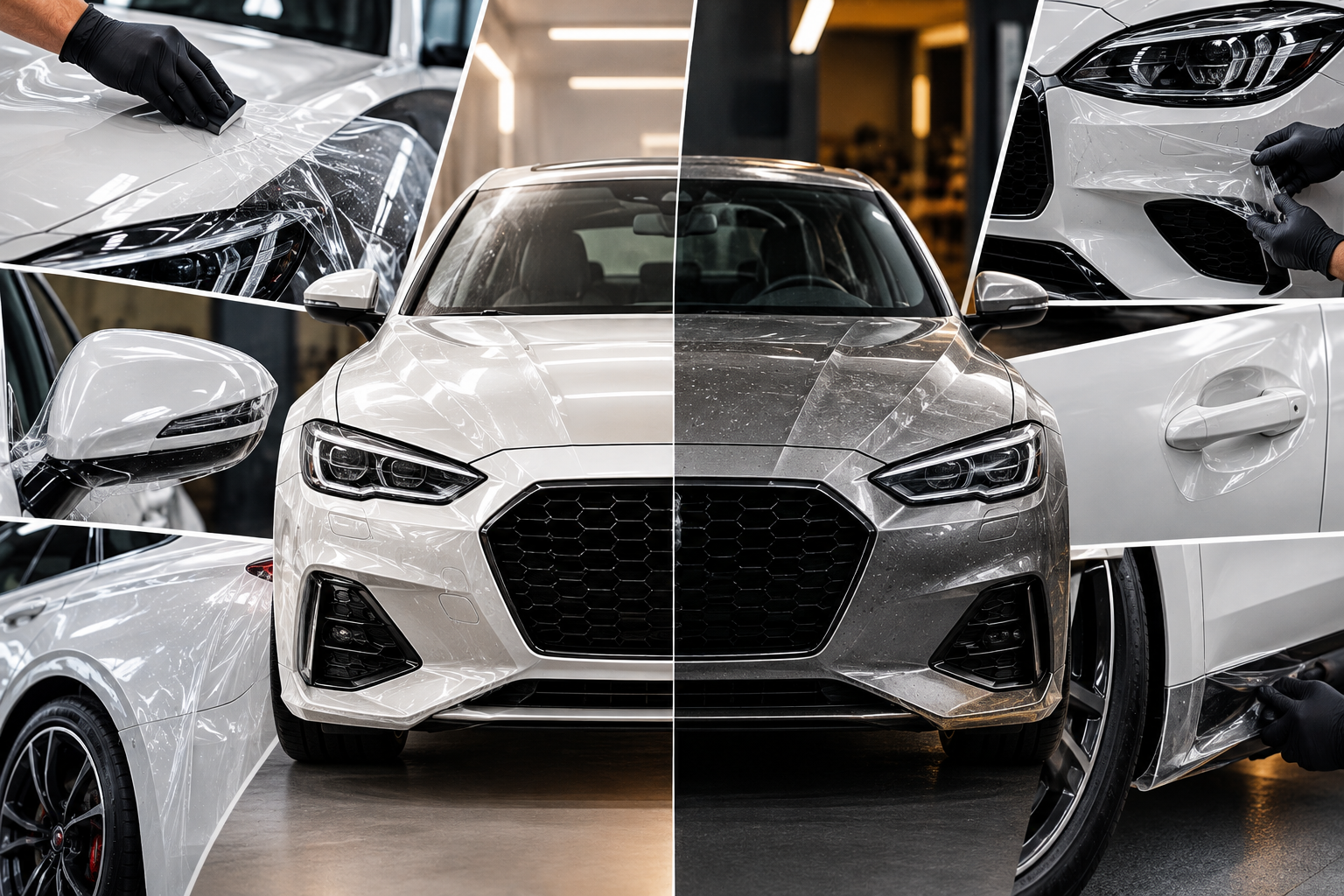
This is why many car owners consider PPF Film for Cars as a protective solution. Paint Protection Film creates a transparent barrier over painted surfaces, helping reduce damage from minor scratches, stone chips, and everyday wear.
However, one common question remains: should you choose full car PPF or partial PPF?
Understanding the differences between these coverage options can help you select the right protection based on your driving habits, vehicle usage, and budget.
What Is Paint Protection Film (PPF)?
Paint Protection Film is a transparent polyurethane-based protective layer applied to a vehicle's exterior surfaces.
It helps absorb minor impacts from road debris and protects the underlying paint against everyday damage.
Modern PPF Film for Cars may also include self-healing technology, allowing certain light surface scratches to disappear when exposed to heat.
Unlike ceramic coating, which primarily provides chemical resistance and easier cleaning, PPF offers an additional physical barrier against minor abrasions and stone chips.
What Is Full Car PPF Coverage?
Full car PPF involves applying protective film across most or all exterior painted panels.
It typically covers:
- Front and rear bumpers
- Bonnet and fenders
- Doors and side panels
- Roof and boot
- Side mirrors
- Other suitable painted exterior areas
Benefits of Full Car PPF
Extensive Paint Protection: Helps protect a larger portion of the vehicle against minor scratches and environmental damage.
Consistent Appearance: Provides a more uniform finish across protected painted surfaces.
Suitable for Premium Cars: Particularly beneficial for luxury vehicles and cars with expensive paint finishes.
Long-Term Paint Preservation: Helps maintain original paint condition when combined with proper maintenance.
Full-body PPF Film for Cars can be suitable for owners who want extensive exterior protection and regularly drive in challenging environments.
What Is Partial Car PPF Coverage?
Partial PPF focuses on selected areas that are more vulnerable to everyday damage.
Common areas include:
- Front bumper
- Bonnet or bonnet section
- Front fenders
- Side mirrors
- Door edges and handle recesses
- Rocker panels
Partial coverage allows owners to protect frequently exposed panels without covering the entire vehicle.
Benefits of Partial PPF
Lower Initial Investment: Requires less film and installation work than full-body protection.
Targeted Protection: Focuses on areas commonly affected by road debris and minor scratches.
Flexible Coverage: Owners can choose panels according to driving conditions.
Practical for Daily Commuters: Offers protection for frequently exposed areas while keeping costs manageable.
For budget-conscious car owners, PPF Film for Cars applied to selected panels can provide a practical balance between protection and affordability.
Full Car PPF vs Partial PPF: Key Differences
Both options help protect automotive paint, but they differ in coverage, cost, and suitability.
| Comparison Factor |
Full Car PPF |
Partial PPF |
| Coverage | Most or all painted exterior panels | Selected high-impact areas |
| Protection | Extensive exterior protection | Targeted paint protection |
| Installation Cost | Higher | Lower |
| Installation Time | Generally longer | Generally shorter |
| Best For | Luxury cars and extensive protection needs | Daily commuters and limited budgets |
| Maintenance | Cleaning required across all protected panels | Care required for protected and unprotected panels |
| Flexibility | Comprehensive coverage package | Customisable panel selection |
3M offers several coverage configurations, including partial coverage, full-front coverage, and full-vehicle protection.
Which PPF Coverage Is Right for Your Driving Habits?
Choosing PPF Film for Cars should depend on how frequently you drive and the conditions your vehicle encounters.
Daily City Driving
Heavy traffic, narrow parking spaces, and frequent stop-and-go driving increase the possibility of minor scratches.
Recommended option: Partial PPF covering bumpers, door edges, mirrors, and other vulnerable areas.
Frequent Highway Driving
Highway vehicles face greater exposure to flying stones, insects, and road debris.
Recommended option: Full-front PPF covering the bonnet, front bumper, fenders, and mirrors. Full-body protection may be considered for additional coverage.
Luxury and Premium Vehicles
Luxury vehicles may have expensive paint finishes and higher cosmetic repair costs.
Recommended option: Full-body PPF for extensive exterior paint protection.
Occasional Weekend Driving
Cars used occasionally may experience relatively limited road exposure.
Recommended option: Partial PPF, especially around frequently exposed panels.
Long-Term Vehicle Ownership
If you plan to retain your vehicle for several years, protecting the original paint can be beneficial.
Recommended option: Full-body PPF, depending on the vehicle's value, maintenance requirements, and available budget.
How Much Does Full Car PPF Cost Compared to Partial PPF?
The cost of PPF Film for Cars varies depending on several factors:
- Vehicle size and body design
- Film brand and product specifications
- Number of panels covered
- Surface preparation requirements
- Installation complexity
- Warranty and aftercare services
Full-body PPF generally costs more because it requires additional materials and labour.
Partial PPF provides a more economical alternative for owners primarily concerned about high-impact areas.
Rather than comparing only the initial cost, consider the protection required and how long you intend to keep the vehicle.
Can You Combine Full and Partial PPF Coverage?
Yes. Some car owners choose customised protection packages based on their vehicle's exposure.
For example, a driver may install full-front protection and add film to door edges, rocker panels, or the rear bumper loading area.
This approach provides wider coverage than a basic partial package without requiring full-body installation.
When selecting PPF Film for Cars, discussing your driving habits with a professional installer can help identify which panels need additional attention.
How to Maintain Paint Protection Film
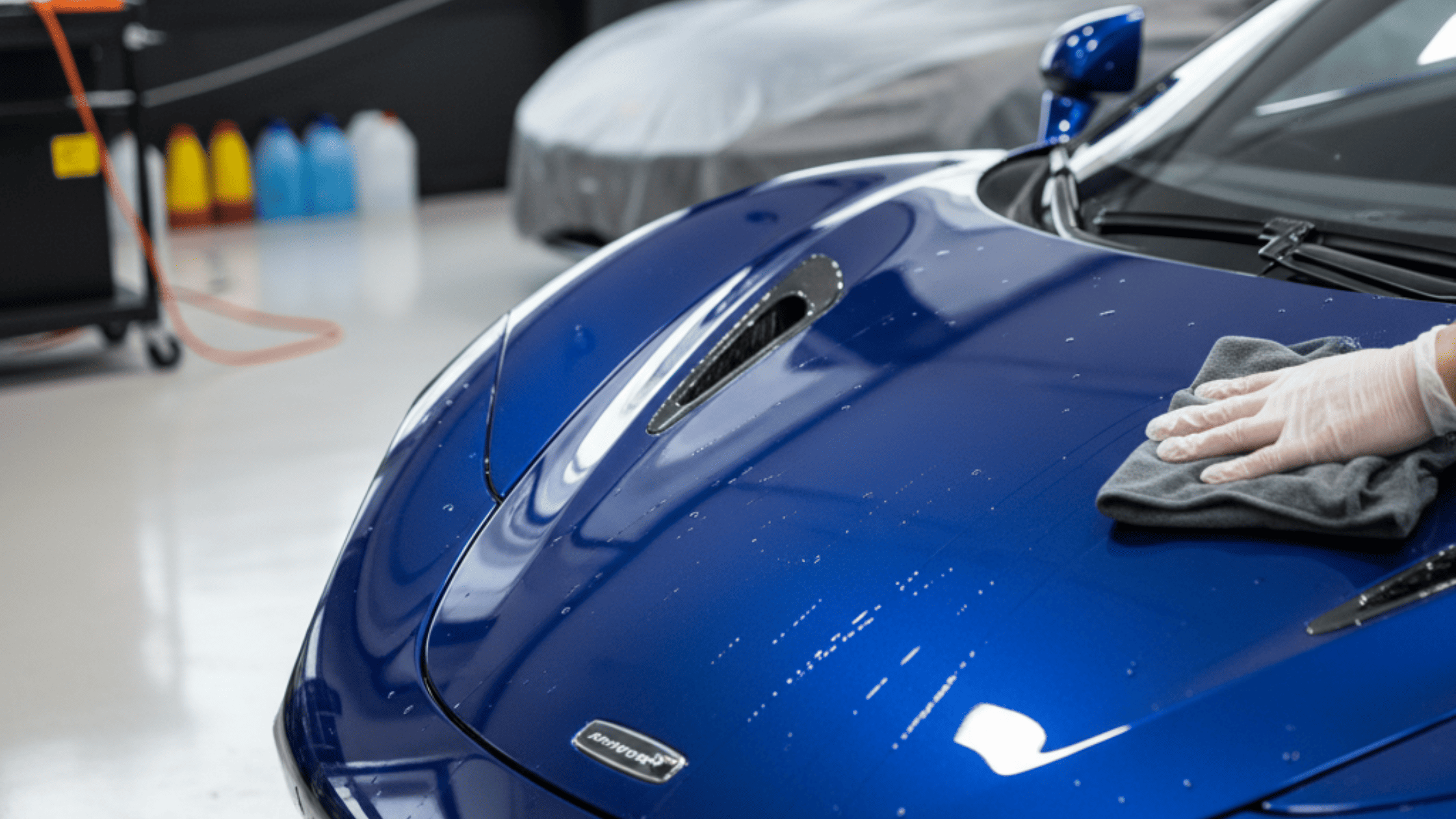
Proper maintenance helps preserve film clarity, appearance, and protective performance.
Follow these practices:
- Wash regularly using suitable automotive shampoo.
- Use soft microfiber cloths and wash mitts.
- Avoid abrasive brushes and harsh chemicals
- Remove bird droppings and contaminants promptly.
- Inspect film edges for lifting or damage.
- Follow your installer's curing and aftercare instructions.
3M advises allowing one week after installation before washing or waxing its paint protection film.
Remember that PPF reduces the risk of certain types of paint damage but cannot prevent deep scratches, major impacts, or all environmental deterioration.
Why Consider 3M Paint Protection Film in Bangalore?
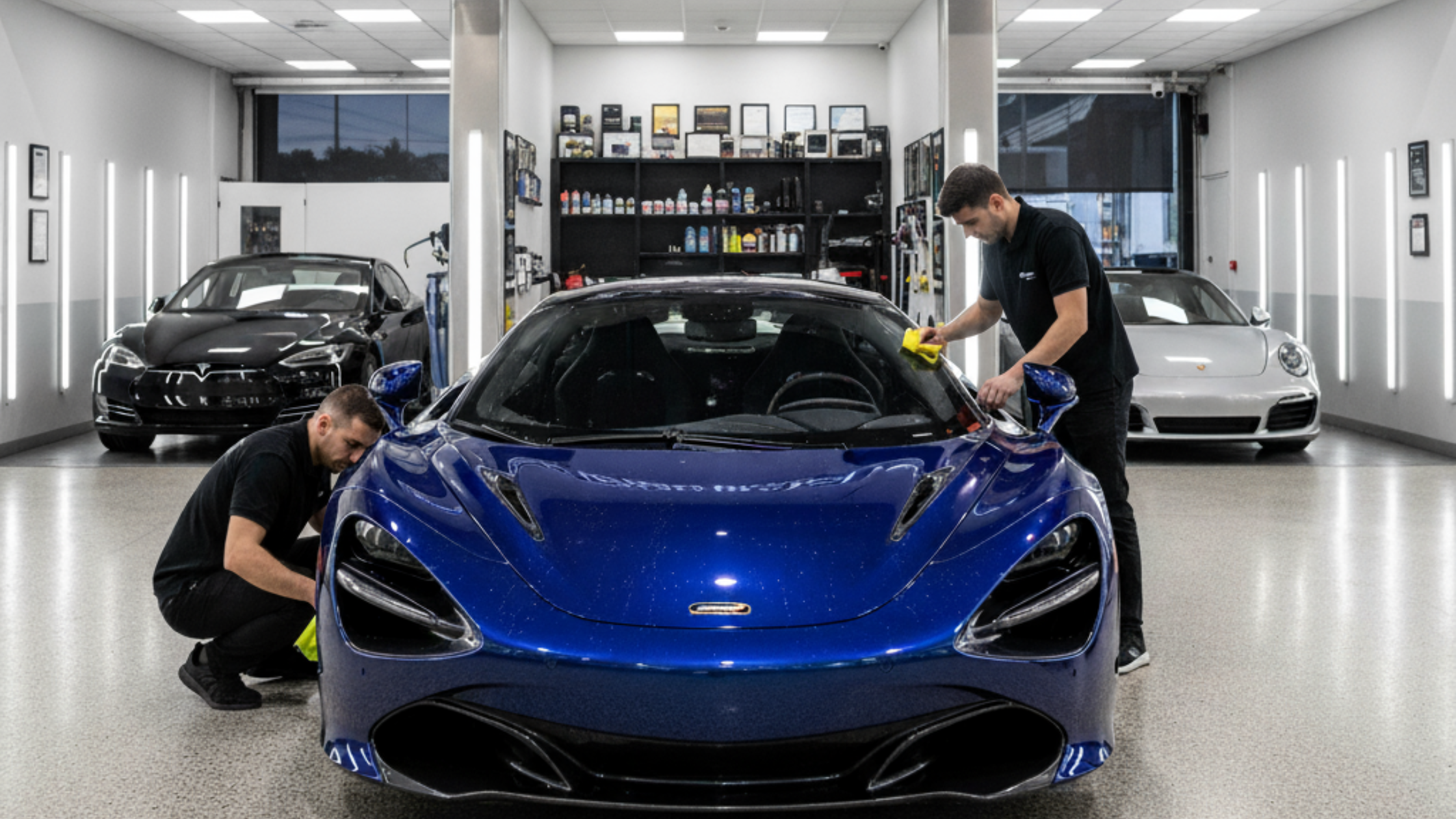
3M Car Care Studio Bangalore provides professional paint protection film installation for different vehicle types.
Its PPF services include full-body protection and selected-panel coverage, allowing owners to choose suitable solutions for their requirements.
The studios are located in Nagasandra and Kanakapura Road, Bangalore.
For drivers considering PPF Film for Cars, professional installation, suitable film selection, and correct maintenance play important roles in achieving long-lasting results.
Conclusion
Both full car PPF and partial PPF offer valuable protection, but the right choice depends on your driving environment, vehicle type, and budget.
Full-body protection is particularly suitable for premium vehicles and owners seeking extensive paint coverage. Partial PPF is a practical option for daily commuters who want protection in vulnerable areas without covering every panel.
Before choosing PPF Film for Cars, assess where your vehicle experiences the most wear and consider seeking professional guidance.
Visit 3M Car Care Studio Bangalore to explore suitable paint protection options for your vehicle.
Frequently Asked Questions
1. Is full car PPF better than partial PPF?
Full car PPF provides more extensive exterior coverage, while partial PPF focuses on vulnerable areas. The better choice depends on your budget, driving habits, and protection requirements.
2. Which car parts should receive PPF first?
The front bumper, bonnet, fenders, side mirrors, and door edges are commonly prioritised because they are more vulnerable to stone chips and everyday scratches.
3. Is partial PPF enough for daily city driving?
Partial PPF can be sufficient for many city commuters, particularly when high-impact areas are protected. However, unprotected panels remain exposed to possible damage.
4. Does full-body PPF prevent all scratches?
No. PPF helps resist minor scratches and abrasions but cannot prevent damage from every impact, sharp object, or severe accident.
5. How long does car PPF last?
The lifespan depends on film quality, installation, driving conditions, and maintenance. Certain professional PPF products can last several years with appropriate care.
6. Can PPF be installed on used cars?
Yes. Used cars can receive PPF if their paint surfaces are suitable. Existing scratches, paint defects, or contamination may require correction before installation.
7. Can I upgrade from partial PPF to full PPF later?
Yes. Additional panels can usually be protected later, provided their paint condition is suitable. Film appearance and product compatibility should be considered.
8. Where can I get professional PPF installation in Bangalore?
3M Car Care Studio offers paint protection film services at its Nagasandra and Kanakapura Road locations in Bangalore, including full-body and selected-panel protection options.