How Hydrophobic Car Coatings Help During Bangalore Rains: Ceramic vs Graphene
Bangalore's weather can be unpredictable. A sunny afternoon can quickly turn into heavy rain, leaving cars covered with water droplets, road grime, dust, and other contaminants. While regular washing keeps a vehicle looking clean temporarily, repeated exposure to rain and environmental contaminants can make exterior maintenance more challenging.
This is where hydrophobic paint protection coatings can help. Hydrophobic Car Coatings in Bangalore are designed to make the vehicle's painted surface more water-repellent, allowing rainwater to bead and move away more easily instead of spreading across the surface.
Among the popular options are ceramic and graphene coatings. Both can provide hydrophobic properties, but they differ in their characteristics, durability, and overall performance. Understanding these differences can help car owners choose a coating that suits their vehicle and driving habits.
What Does Hydrophobic Mean for a Car?
Hydrophobic simply means water-repellent. When a hydrophobic coating is applied correctly to a car's exterior, water tends to form rounded droplets rather than spreading into a thin layer across the paint.
This can make rainwater easier to remove and can reduce the amount of water retained on the vehicle's surface. However, hydrophobic protection does not mean that the car becomes completely waterproof or immune to stains. Rainwater can still contain dust, minerals, and pollutants that may leave marks if allowed to dry on the paint.
The benefit is that a smooth, water-repellent surface can make routine cleaning and maintenance easier.
Why Bangalore Rain Can Be Challenging for Car Paint
Bangalore vehicles are exposed to more than just rainwater. During daily driving, water can mix with road dust, traffic pollution, mud, and other contaminants before settling on the vehicle.
When contaminated rainwater dries naturally, it can leave behind spots or deposits. Repeated exposure without proper cleaning can make the paint appear dull and can increase maintenance requirements.
This is one reason car owners consider Hydrophobic Car Coatings in Bangalore as part of their exterior paint-care routine.
How Ceramic Coating Helps During Rain
Ceramic coating creates a durable protective layer over the vehicle's paint. One of its most noticeable characteristics is its hydrophobic behaviour.
When rain falls on a ceramic-coated surface, water tends to bead instead of spreading extensively. Loose dirt and contaminants can also be easier to remove during proper washing.
Ceramic coating can provide additional benefits such as enhanced gloss and protection against environmental contaminants. According to 3M Car Care Studio Bangalore, its ceramic coating is intended to protect paint against UV exposure, chemical stains, and environmental damage while enhancing gloss.
For many everyday car owners, ceramic coating can therefore offer a balance between paint protection, appearance, and maintenance convenience.
How Graphene Coating Performs in Rain
Graphene coating is positioned as a more advanced coating option and builds on the protective characteristics associated with ceramic coatings.
Its smooth, water-repellent surface encourages rainwater to bead and move away from the paint. The coating can also help reduce water spotting and make washing easier.
3M Car Care Studio Bangalore describes its graphene coating as creating an ultra-thin hydrophobic layer that repels water, dirt, and contaminants. It also highlights heat-dissipation and reduced water-spotting characteristics.
This can be particularly useful for Bangalore vehicles that experience a combination of rain, dust, pollution, and periods of strong sunlight.
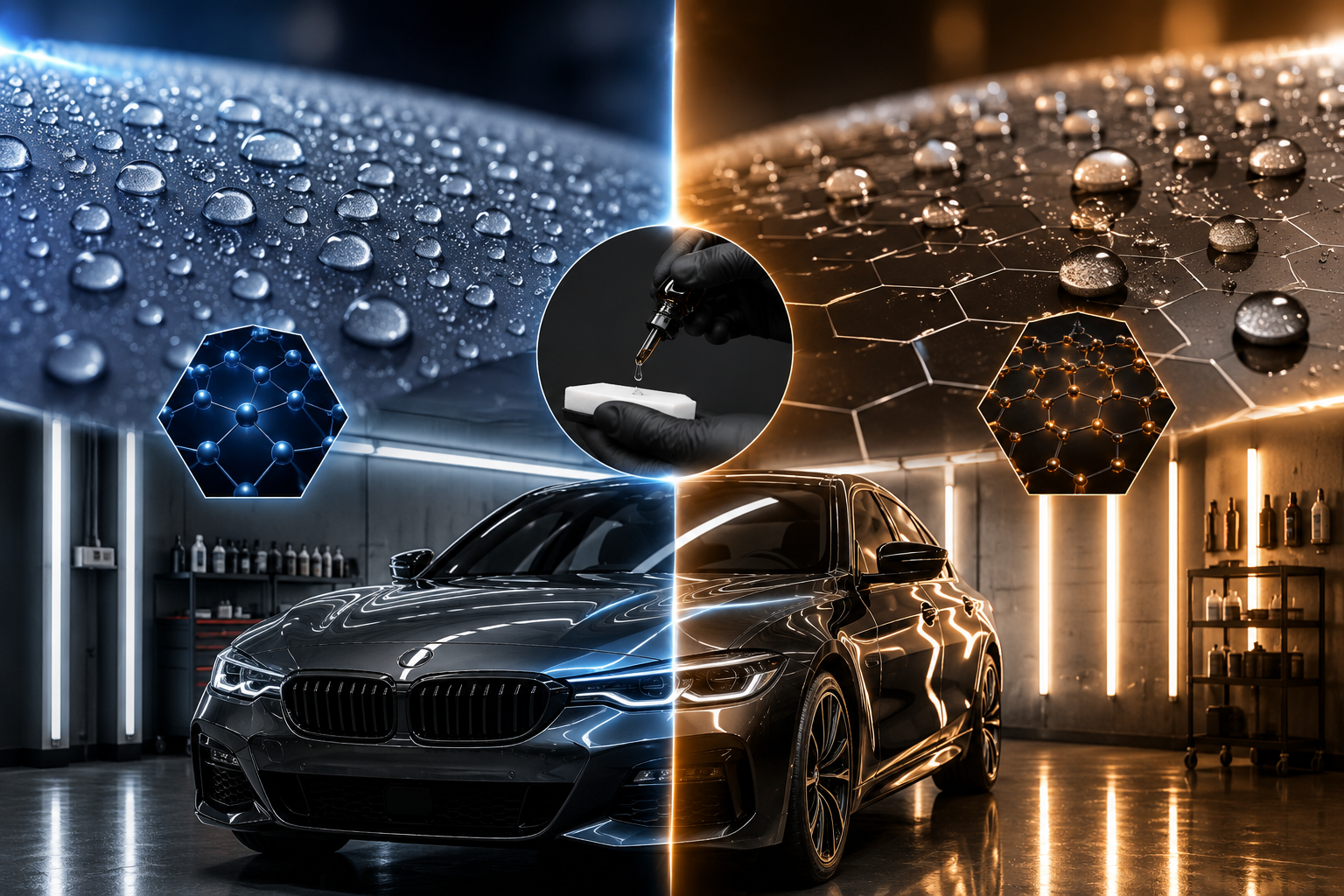
Ceramic vs Graphene: What's the Difference?
Both coatings can provide hydrophobic protection, but their characteristics are not identical.
| Feature |
Ceramic Coating |
Graphene Coating |
| Water Repellency |
Excellent |
Excellent |
| Gloss Enhancement |
High |
High to very high |
| Ease of Cleaning |
Improved |
Improved |
| UV Protection |
Yes |
Yes |
| Chemical Resistance |
Good |
Strong |
| Heat Resistance |
Good |
Higher |
| Water Spot Reduction |
Helps reduce spotting |
Designed for improved water-spot resistance |
| Dust Behaviour |
Smooth surface helps cleaning |
Can provide anti-static characteristics |
| Best For |
Everyday protection and value |
Premium protection and enhanced performance |
The exact performance depends on the product, preparation, application quality, maintenance, and environmental exposure. A coating should therefore be evaluated based on the complete system rather than the coating name alone.
Which Coating Is Better for Bangalore Rains?
There is no single answer for every car.
Ceramic coating can be a suitable choice for owners who want improved gloss, water repellency, environmental protection, and easier maintenance without necessarily choosing the most advanced coating option.
Graphene coating may be attractive to owners who want additional performance characteristics, including enhanced heat resistance, slickness, hydrophobic behaviour, and potentially better resistance to water spotting.
3M Car Care Studio's own comparison describes ceramic coating as a popular standalone option for everyday Bangalore driving, while positioning graphene as an advanced option for owners seeking higher coating performance.
Hydrophobic Coating Does Not Replace Regular Washing
One common misconception is that a hydrophobic coating makes washing unnecessary.
It does not.
Rainwater can carry contaminants onto the vehicle. Dust, mud, bird droppings, tree sap, and pollution can still accumulate on the surface. A coating simply makes it easier to maintain the paint and helps reduce the ability of contaminants to adhere strongly.
After the rainy season or heavy rainfall, regular cleaning using coating-safe products remains important.
For ceramic-coated vehicles, 3M Car Care Studio recommends pH-neutral, coating-safe shampoo and gentle washing methods, while advising against harsh automatic brush washes.
Why Professional Application Matters
The performance of a coating depends not only on the product but also on surface preparation and application.
Before coating, the paint may need thorough washing, decontamination, and paint correction where necessary. Applying a coating over an improperly prepared surface can affect the final appearance and bonding.
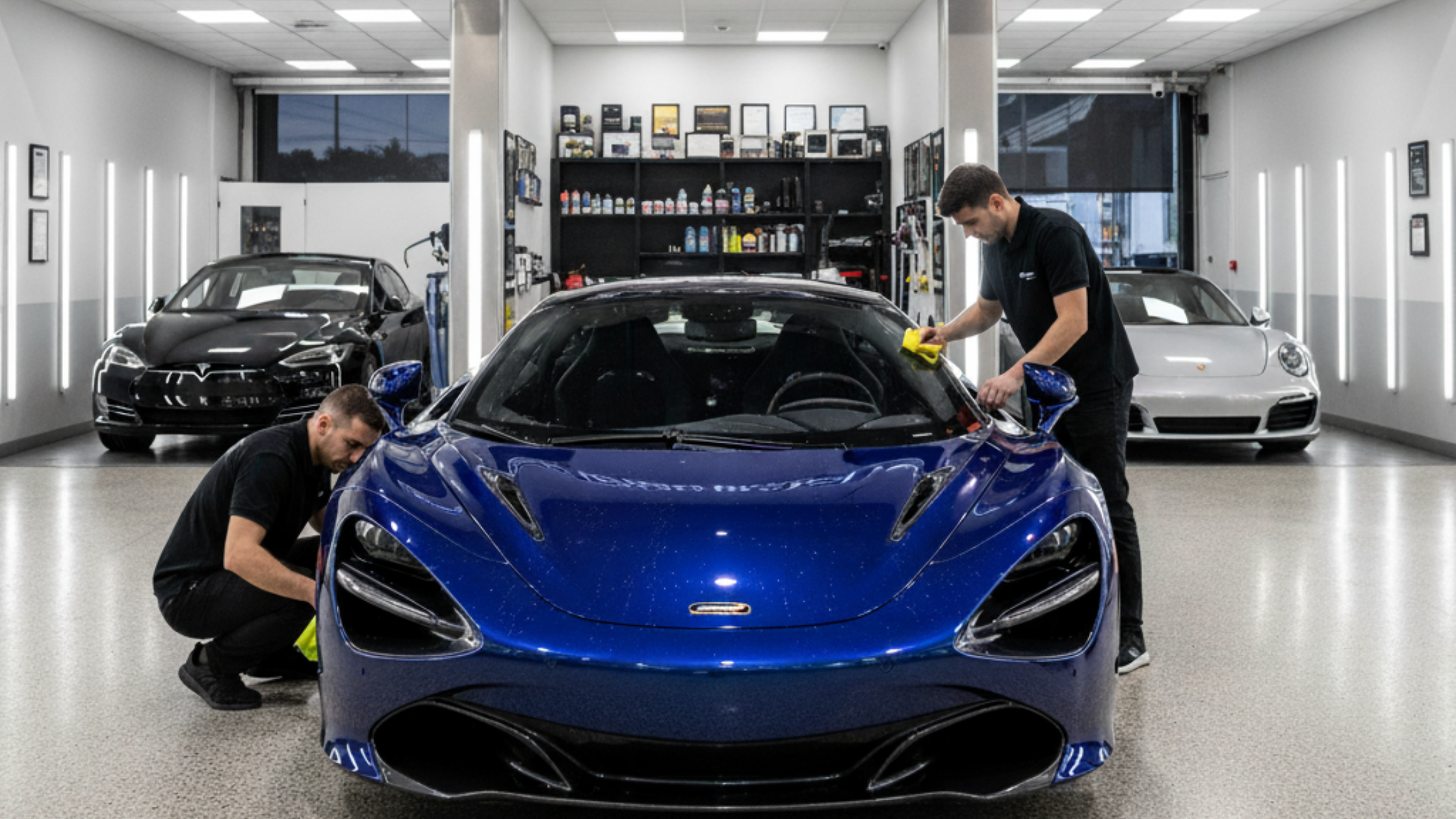
Professional application can also help ensure even coverage and appropriate curing conditions.
For older vehicles, paint correction may be especially useful when the goal is to achieve a cleaner, glossier finish before applying the protective layer.
How to Maintain a Coated Car During Bangalore's Monsoon
After coating, owners should avoid assuming that every water spot will disappear automatically. If rainwater dries on the vehicle, mineral deposits can remain behind.
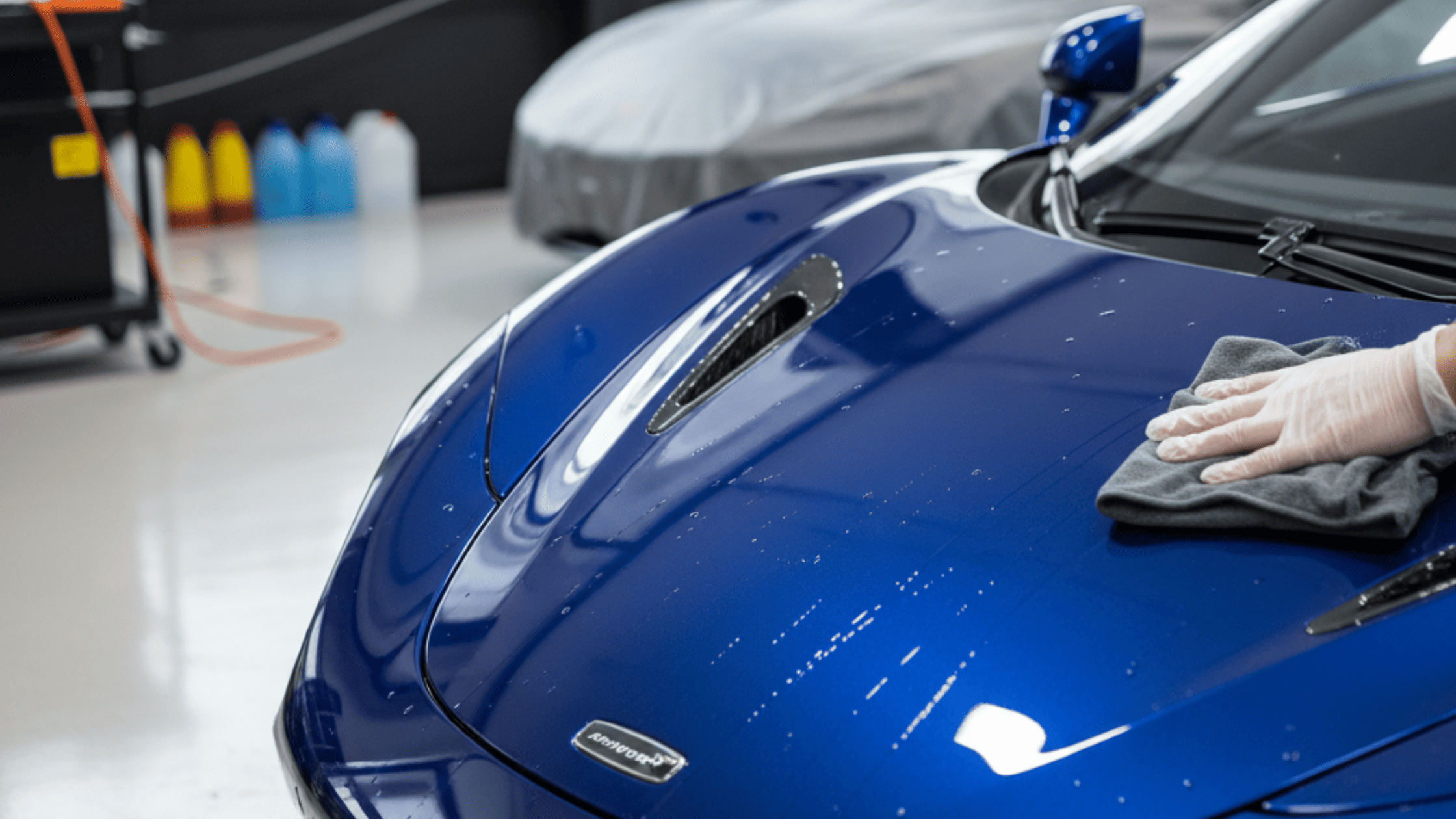
Regular washing is therefore important. Use clean microfibre towels and coating-safe cleaning products. Avoid aggressive scrubbing and harsh chemicals that may affect the coating's performance.
If the vehicle becomes heavily contaminated after driving through muddy roads, removing the contamination sooner is preferable to allowing it to remain on the surface for extended periods.
Proper maintenance can help preserve the coating's hydrophobic behaviour and appearance for longer.
Is Graphene Worth Choosing Over Ceramic?
The answer depends on your priorities.
If your main objective is reliable hydrophobic protection, improved gloss, easier cleaning, and environmental protection, ceramic coating can be a practical option.
If you place greater emphasis on advanced coating characteristics, heat resistance, water-spot reduction, and long-term premium protection, graphene may be worth considering.
Both options are significantly different from paint protection film. Ceramic and graphene coatings are primarily surface coatings and should not be expected to provide the same physical impact protection as PPF.
Final Thoughts
Bangalore's combination of sudden rain, road dust, pollution, sunlight, and everyday traffic makes exterior car maintenance an ongoing task. A hydrophobic coating can make that maintenance easier by encouraging water to bead and move away from the painted surface while helping reduce the adhesion of loose contaminants.
Both ceramic and graphene coatings can offer valuable protection. The better choice depends on your vehicle, usage, maintenance expectations, budget, and desired level of performance.
For car owners considering Hydrophobic Car Coatings in Bangalore, professional surface preparation, correct application, and proper aftercare are just as important as selecting between ceramic and graphene.
The goal is not simply to make rainwater bead on the paint. It is to maintain a cleaner, glossier, and better-protected vehicle through Bangalore's changing weather conditions.
Frequently Asked Questions
Do hydrophobic coatings stop rainwater from touching the car?
No. Hydrophobic coatings do not prevent rainwater from touching the vehicle. They make the surface more water-repellent, causing water to bead and move away more readily.
Is graphene coating more hydrophobic than ceramic coating?
Both can provide strong hydrophobic performance. Graphene coatings are often positioned as an advanced coating option with additional characteristics such as heat resistance and improved water-spot behaviour. Actual performance depends on the specific product and application.
Can ceramic or graphene coating prevent water spots?
They can help reduce water spotting by encouraging water to bead and roll off, but they cannot guarantee that water spots will never occur. Minerals and contaminants in rainwater can still remain if water dries on the surface.
Can I wash my car normally after applying a coating?
It is better to follow the coating manufacturer's curing and maintenance recommendations. Using coating-safe, pH-neutral products and gentle washing methods can help maintain the coating's performance.
Which is better for Bangalore: ceramic or graphene coating?
Ceramic can be suitable for owners looking for dependable protection and easier maintenance, while graphene may appeal to those seeking additional performance characteristics. A professional inspection can help determine which option better suits the vehicle and usage.