What Happens If PPF Starts Peeling at the Edges? Can It Be Repaired?
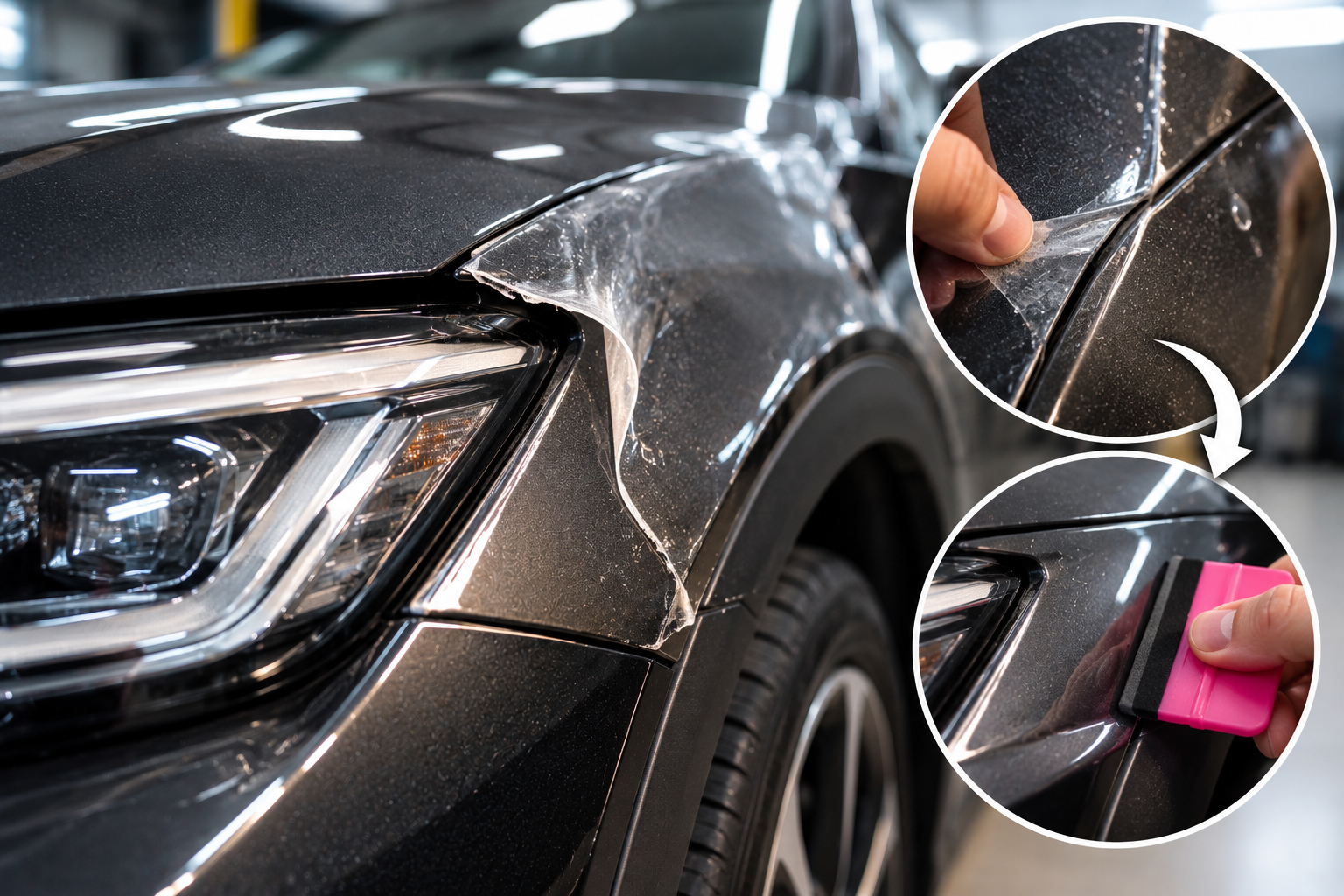
Paint Protection Film is designed to help protect vehicle paint from minor scratches, road debris, and everyday environmental exposure. However, car owners sometimes notice that the transparent film begins lifting around the bonnet, bumper, mirrors, or panel edges.
This problem, commonly called PPF Edge Peeling, can affect the appearance and protective coverage of the film.
Understanding why it happens helps vehicle owners identify installation concerns, maintenance problems, and potential repair requirements. Whether your vehicle has recently received PPF or has been protected for several years, early inspection can help prevent further lifting and contamination.
What Causes Paint Protection Film to Peel at the Edges?
Several factors can contribute to lifted film edges.
PPF Edge Peeling may occur because of insufficient surface preparation, installation errors, contamination, ageing, or exposure to unsuitable cleaning practices.
Before applying film, the vehicle surface must be properly prepared according to the product manufacturer's requirements.
Dust, wax residue, oils, and other contaminants may affect adhesion.
Improper film positioning or excessive stretching can also create tension near curves and edges.
However, not every lifted edge indicates poor installation.
Environmental exposure, accidental damage, and maintenance conditions may also influence long-term film performance.
A professional inspection is necessary to identify the likely cause.
Can High-Pressure Car Washing Cause PPF to Lift?
Pressure washing requires particular care around protected vehicle panels.
A high-pressure water stream directed too closely toward exposed film edges may contribute to PPF Edge Peeling.
The risk depends on water pressure, nozzle distance, spray angle, film condition, and installation quality.
Avoid directing a concentrated pressure-washer jet toward film seams or lifted edges.
Use the washing method recommended by the film manufacturer and installer.
Gentle washing with compatible products can help preserve film appearance.
Vehicle owners should also avoid aggressively rubbing loose edges during cleaning.
If an edge has already lifted, consider professional inspection before the next high-pressure wash.
Does Bangalore's Weather Affect PPF Adhesion?
Bangalore vehicles experience sunlight, rainfall, dust, road contamination, and changing temperatures throughout the year.
These conditions may influence film ageing and maintenance requirements.
However, PPF Edge Peeling should not automatically be blamed on weather.
Product quality, installation technique, adhesive condition, and cleaning practices are also important.
Drivers in Nagasandra who frequently travel through dusty roads or park outdoors may benefit from regular visual checks around protected panels.
Look for loose film sections, dirt trapped beneath edges, or unusual lifting around curved surfaces.
Correctly installed film is designed for automotive use, but it still requires appropriate care.
Can a Small Peeling PPF Edge Be Repaired?
In some circumstances, a recently lifted and uncontaminated edge may be correctable by a qualified installer.
The possibility of repairing PPF Edge Peeling depends on the size of the affected area, adhesive condition, film distortion, and contamination.
An installer may assess whether the existing film can be secured using a method approved for that product.
However, film that has stretched, curled, collected dirt, or lost adhesion may not be suitable for reattachment.
Simply pressing an old peeling edge back into place may not provide a lasting solution.
The appropriate repair decision should follow the film manufacturer's technical recommendations.
When Is PPF Replacement Better Than Repair?
Repair is not always the most reliable option.
If PPF Edge Peeling has spread across a large section or the adhesive has become heavily contaminated, replacing the affected film panel may be preferable.
Other reasons for replacement can include film tears, visible distortion, severe discolouration, or extensive loss of adhesion.
A damaged section of PPF does not necessarily mean the entire vehicle needs new film.
Depending on the installation layout, an individual protected panel may be replaced.
For car owners around Nagasandra, an inspection-based quotation can clarify whether localised correction or panel replacement is the practical solution.
Can Peeling PPF Damage the Original Car Paint?
Peeling film does not automatically indicate damaged paint underneath.
However, PPF Edge Peeling can expose sections of the surface that the film was originally intended to protect.
Dirt and moisture may collect around lifted edges, making cleaning more difficult.
If someone attempts to remove or pull the film incorrectly, vulnerable or previously repaired paint may be at greater risk of damage.
Avoid pulling loose film away from the vehicle without professional guidance.
The condition of the underlying paint should be evaluated before any significant removal work.
Professional removal methods can help reduce avoidable damage.
Should You Use Glue or Heat to Fix Peeling PPF?
Applying household adhesives or uncontrolled heat is not recommended.
DIY attempts to fix PPF Edge Peeling may create additional problems, including adhesive contamination, visible marks, film deformation, or damage to nearby surfaces.
Paint Protection Film has specific material and adhesive characteristics.
Unapproved glues may react poorly with the film or make later professional removal more difficult.
Similarly, excessive heat can affect vinyl, paint, trims, or the protective film itself.
If the affected area is small, avoid disturbing it unnecessarily.
Contact the installer and ask for an assessment before attempting repairs.
How Can You Prevent PPF Edges from Lifting?
Prevention begins with proper installation and suitable maintenance.
Reducing the risk of PPF Edge Peeling involves choosing appropriate film products, preparing the paint correctly, and following aftercare instructions.
During the initial curing period, avoid washing or handling the film in ways prohibited by the installer.
After curing, use compatible cleaning products and suitable washing techniques.
Avoid picking at film edges, using sharp tools near seams, or directing intense water pressure beneath the film.
Vehicle owners near Nagasandra can also include visual film checks during routine detailing visits.
Addressing minor concerns early may prevent further deterioration.
Is Edge Peeling Covered Under the PPF Warranty?
Warranty coverage depends on the manufacturer, product series, installation agreement, and cause of failure.
Not every case of PPF Edge Peeling is automatically covered.
Manufacturing defects or qualifying installation problems may be treated differently from accidental damage, misuse, or maintenance-related issues.
Keep your installation invoice, warranty document, and product details.
Take clear photographs of the affected area before requesting an assessment.
The installer may need to inspect the film and determine whether a claim is eligible.
Car owners in Nagasandra should confirm the exact warranty terms with their service provider rather than assuming all film damage qualifies for free replacement.
Get Your PPF Inspected at 3M Car Care Bangalore
Paint Protection Film can help preserve your vehicle's appearance, but lifted edges deserve attention.
Properly assessing PPF Edge Peeling helps determine whether the issue can be corrected or whether the affected section requires replacement.
3M Car Care Bangalore provides automotive paint protection and detailing services for customers seeking vehicle care solutions.
If your car's protective film is lifting, avoid pulling or gluing it yourself.
Contact 3M Car Care Bangalore to enquire about PPF inspection, available repair options, and suitable replacement solutions.
Frequently Asked Questions
Can PPF Edge Peeling be repaired without replacing the film?
Sometimes. Small, recently lifted edges may be correctable if the adhesive and film remain suitable. Contaminated or distorted sections may require replacement.
Why does PPF start peeling after installation?
Possible causes include inadequate surface preparation, film tension, contamination, installation issues, or inappropriate aftercare.
Is it normal for PPF edges to lift?
Persistent edge lifting should not simply be considered normal. Have the affected section inspected by the installer.
Can a pressure washer damage PPF?
High-pressure water directed toward film edges may contribute to lifting or damage. Follow manufacturer-specific washing guidance.
Can I use glue to stick peeling PPF back onto my car?
Household glue is not recommended because it may contaminate the adhesive system or complicate proper repair.
Does peeling PPF affect the car's paint?
The peeling itself does not necessarily damage paint, but lifted film reduces protective coverage and improper removal can create risks.
Is PPF peeling covered under warranty?
Coverage depends on the film manufacturer, installation terms, cause of damage, and warranty exclusions.
How much does PPF edge repair cost in Bangalore?
Costs depend on the extent of lifting, film condition, affected panels, and whether correction or replacement is required. Request a professional quotation.