Sun Control Film for Daily Office Commuters in Bangalore
Daily office commuting in Bangalore can mean spending a considerable amount of time inside a car. Traffic congestion, long signals, slow-moving roads, and daytime travel can increase exposure to sunlight and cabin heat, particularly during afternoon commutes. Even when the air conditioner is running, direct sunlight through the windows can make the journey uncomfortable.
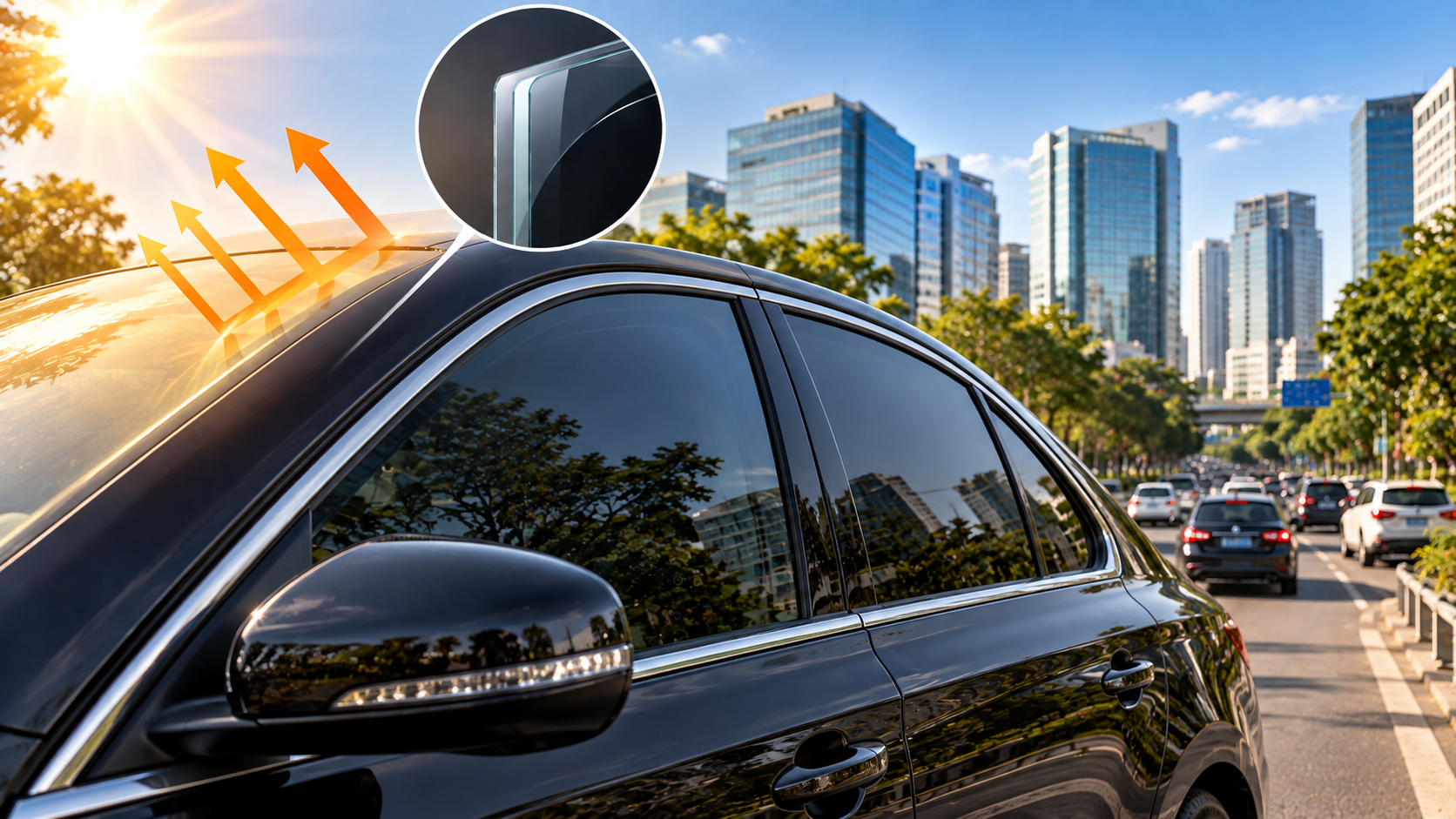
For drivers who regularly travel between home and office, 3M Sun Control Film can be considered as part of improving cabin comfort. Automotive window films are designed to manage solar energy entering through vehicle glass while maintaining appropriate visibility based on the selected product.
Understanding how sun control films work, their potential benefits, maintenance requirements, and legal considerations can help Bangalore commuters make a more informed choice.
Why Daily Bangalore Commuters Experience Cabin Heat
A parked vehicle can heat up considerably when exposed to direct sunlight. During a commute, solar energy continues to enter through the windshield and windows, increasing the heat felt by occupants.
This becomes particularly noticeable during slow-moving traffic because the vehicle remains exposed to sunlight while covering relatively little distance.
Areas such as Outer Ring Road, Whitefield, Electronic City, Koramangala, HSR Layout, Sarjapur Road, Hebbal and other major employment corridors can involve extended commuting times depending on traffic conditions.
While air conditioning helps regulate cabin temperature, direct solar exposure can still affect passenger comfort. Managing the amount of solar energy entering through the glass can therefore complement the vehicle's climate-control system.
What Is 3M Sun Control Film?
3M Sun Control Film is an automotive window film designed for application to vehicle glass. Depending on the specific product, automotive window films can help manage solar heat, glare and ultraviolet exposure while allowing visible light to pass through.
The performance of a film should be evaluated using its actual product specifications rather than simply judging how dark it looks.
A darker-looking film does not automatically mean better heat rejection. Modern automotive films can use technologies designed to manage solar energy while maintaining higher levels of visible-light transmission.
This is particularly important for everyday commuters who need both daytime comfort and clear visibility in changing driving conditions.
How Sun Control Film Can Improve Daily Driving Comfort
One of the primary reasons drivers consider window films is cabin comfort.
When direct sunlight enters through side windows, drivers and passengers may feel concentrated heat on their arms, face and body even when the air conditioner is operating.
Properly selected 3M Sun Control Film can help manage solar energy passing through automotive glass. This can create a more comfortable environment during daytime commuting, especially when vehicles spend extended periods in traffic.
The actual level of performance depends on the particular film, vehicle glass, installation quality, weather and other environmental conditions.
Sun control film should therefore be selected based on verified specifications and individual requirements rather than expecting every product to perform identically.
Managing UV Exposure During Regular Commuting
Daily commuters can spend many hours inside their vehicles over the course of a week. Although automotive glass provides some protection, drivers may still want additional management of ultraviolet exposure depending on the vehicle and glass type.
Certain automotive window films are designed to block a high percentage of UV radiation. Product-specific technical information should always be checked to understand the exact level of protection offered.
Reducing UV transmission can also be relevant to the vehicle interior because prolonged sunlight exposure may contribute to deterioration or discolouration of some materials over time.
For office commuters who park outdoors for long periods, managing sunlight exposure can therefore be useful for both passenger comfort and interior care.
Reducing Glare During Daytime Office Travel
Bright sunlight can create uncomfortable glare while driving, particularly during morning and evening commutes when the sun may be lower in the sky.
Glare can also vary depending on road direction, weather, surrounding buildings and reflective surfaces.
Appropriate 3M Sun Control Film can help reduce certain forms of solar glare while maintaining the level of visible-light transmission required for safe driving.
Visibility should always remain the priority. Excessively dark films can reduce the driver's ability to clearly see surrounding vehicles, pedestrians, cyclists and road conditions, especially at night or during rain.
This makes professional product selection particularly important.
Sun Control Film and Air-Conditioning Comfort
Air conditioning and window film perform different functions but can complement each other.
The AC system cools the cabin air, while sun control film is designed to manage part of the solar energy entering through the glass. Reducing solar heat entering the cabin can help create a more comfortable environment for occupants.
However, drivers should be cautious about claims that a film will automatically produce a specific improvement in fuel economy or air-conditioner efficiency.
Real-world results vary according to the vehicle, AC system, outside temperature, traffic, driving style, film specifications and glass area.
For most daily commuters, improved thermal comfort is a more practical reason to consider automotive window film.
Why Film Quality Matters
Not all automotive films provide the same performance or durability.
Low-quality products may develop bubbling, peeling, distortion, discolouration or adhesive problems over time. Poor optical clarity can also interfere with visibility.
Choosing genuine 3M Sun Control Film and having it installed by trained professionals helps ensure that the product is appropriate for automotive use and applied correctly.
Professional installation also matters because vehicle windows have curves, edges and moving mechanisms that require accurate fitting.
The installer should be able to explain the film's specifications, visible-light transmission, warranty terms, care requirements and suitability for the particular vehicle.
Legal Considerations for Car Window Films in India
Legal compliance is one of the most important considerations when selecting sun control film.
Indian vehicle-glazing requirements and court directions concerning aftermarket films need to be considered before installation. Vehicle owners should not assume that a particular film is automatically legal simply because it is transparent or marketed for automotive use.
Applicable rules can involve minimum visible-light transmission requirements for different vehicle windows, while restrictions on aftermarket films also need to be considered.
Before installing 3M Sun Control Film, Bangalore motorists should confirm the current applicable requirements and select a solution that complies with them.
Safety, visibility and legal compliance should take priority over choosing the darkest possible appearance.
Why Professional Installation Makes a Difference
Automotive window-film installation requires a controlled process.
The glass needs to be cleaned thoroughly so that dust, debris and contamination do not become trapped beneath the film. The material must then be accurately cut, positioned and applied to minimize bubbles, creases and visible imperfections.
Door windows also move up and down repeatedly, which means the edges require proper installation.
A professional installer can additionally recommend suitable products according to the vehicle, commuting pattern and desired performance.
Installation quality can influence both the appearance and longevity of the finished application, making workmanship almost as important as product selection.
How to Maintain Sun Control Film
Once the film has been installed, appropriate care can help maintain its appearance.
The installer may recommend avoiding window operation or cleaning for a certain period immediately after installation while the film settles and dries. The exact instructions should be followed according to the installed product.
After the recommended period, glass should be cleaned gently using suitable products and soft materials. Abrasive tools or unsuitable chemicals should be avoided because they may damage the film surface.
If bubbling, peeling, edge lifting or unusual optical distortion develops, the film should be professionally inspected rather than manually pulled or cut.
Is Sun Control Film Useful for Cars Parked at Offices?
Many Bangalore professionals leave their vehicles parked outdoors or in partially covered parking spaces throughout the working day.
A car exposed to sunlight for several hours can become noticeably warm before the evening commute begins.
3M Sun Control Film can form one part of a broader approach to managing solar exposure through the vehicle glass. Covered parking, windshield shades where appropriate, ventilation practices and the vehicle's air-conditioning system can also contribute to cabin comfort.
No window film can prevent a parked car from heating up completely. The objective is to manage solar energy rather than eliminate heat altogether.
Setting realistic expectations helps vehicle owners better understand the role of automotive window film.
Choosing the Right Sun Control Film for Your Car
Selecting an automotive film should involve more than comparing price or darkness.
Drivers should consider optical clarity, solar performance, UV management, visible-light transmission, warranty, product authenticity and compliance with applicable regulations.
A commuter who regularly drives at night may prioritize high visibility, while someone who frequently drives during hot afternoons may place greater importance on solar performance.
The appropriate solution therefore depends on the driver's actual usage.
Professional consultation can help compare available products and explain their specifications before installation.
Sun Control Film as Part of Complete Car Care
Window-film maintenance can also be considered alongside other car-care practices.
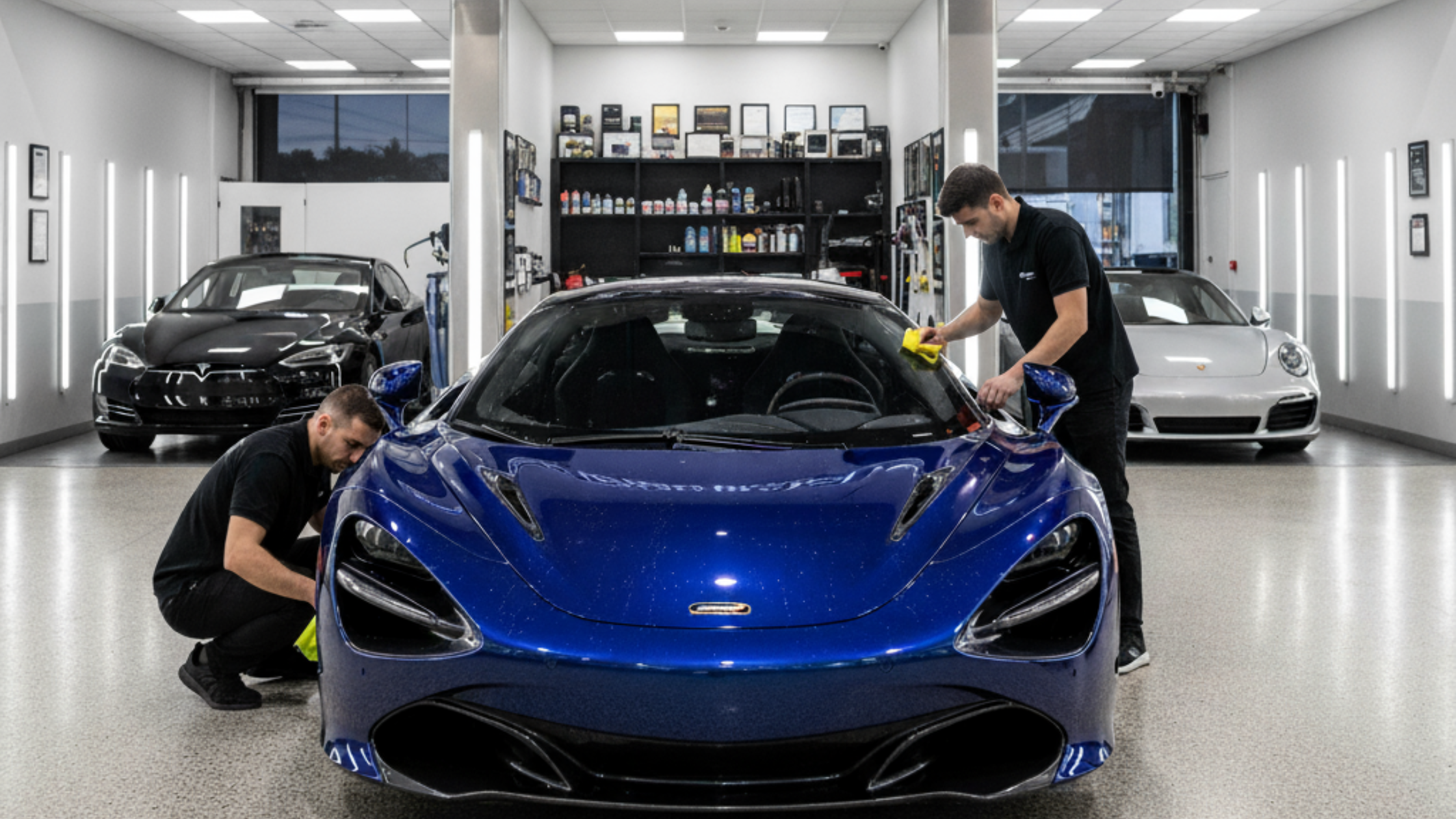
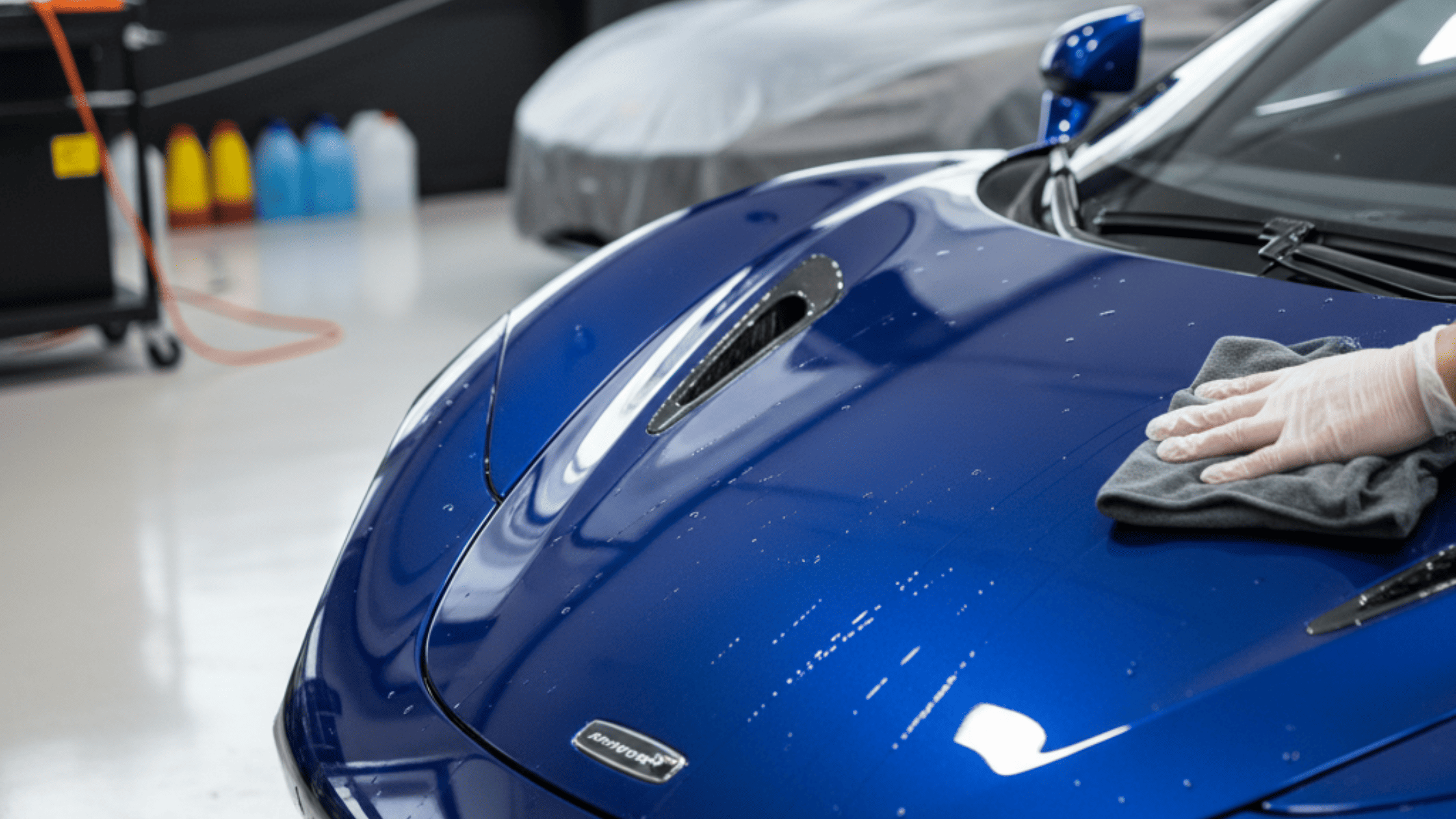
Regular exterior detailing helps maintain painted surfaces, while interior cleaning supports cabin hygiene. Paint Protection Film, ceramic coating and graphene coating serve different exterior-protection purposes, while automotive window film focuses primarily on glass-related solar management.
Understanding these differences prevents customers from expecting one product to solve unrelated vehicle-care concerns.
For Bangalore office commuters, a combination of regular cleaning, mechanical maintenance, appropriate surface protection and comfortable cabin conditions can make everyday driving more pleasant.
Conclusion
Daily office commuting in Bangalore can involve prolonged traffic, direct sunlight and extended time inside the vehicle. Managing cabin comfort therefore becomes especially relevant for people who drive to work regularly.
Automotive sun control film can help manage solar heat, glare and UV transmission depending on the selected product specifications. However, product quality, optical clarity, professional installation and regulatory compliance all require careful consideration.
For motorists evaluating 3M Sun Control Film, the best approach is to compare genuine product specifications, understand realistic performance benefits, confirm applicable legal requirements and choose professional installation.
When selected and maintained correctly, sun control film can become a practical addition to the everyday driving experience of Bangalore's office commuters.
Frequently Asked Questions
Is sun control film useful for daily office commuters in Bangalore?
Yes, it can be useful for commuters who regularly experience direct sunlight and cabin heat. The level of benefit depends on the selected film's solar performance, the vehicle glass, commuting time and environmental conditions.
Does sun control film completely stop heat from entering a car?
No. Automotive window film is designed to manage part of the solar energy entering through the glass, not completely prevent a vehicle from heating up. Air conditioning, parking conditions and outside temperature also influence cabin comfort.
Can sun control film help protect the car interior?
Films that reduce UV transmission can contribute to managing sunlight exposure inside the vehicle. However, interior ageing depends on several factors, including materials, parking conditions, maintenance and total environmental exposure.
Is aftermarket sun control film legal in Bangalore?
Vehicle owners should confirm current Indian regulations and court directions before installing aftermarket automotive films. Compliance should be checked for the specific product and vehicle glass rather than assuming that every transparent film is permitted.
How long should I wait before cleaning windows after film installation?
The required curing or settling period varies by product and installation conditions. Follow the instructions provided by the professional installer and avoid rolling down or cleaning newly treated windows until advised.