How Sun Control Film Makes Bangalore Car Drives More Comfortable
Driving in Bangalore can involve long periods in traffic, frequent stops and significant exposure to sunlight. When a car remains under the sun or moves slowly through traffic, heat can build up inside the cabin and make the journey uncomfortable for both the driver and passengers.
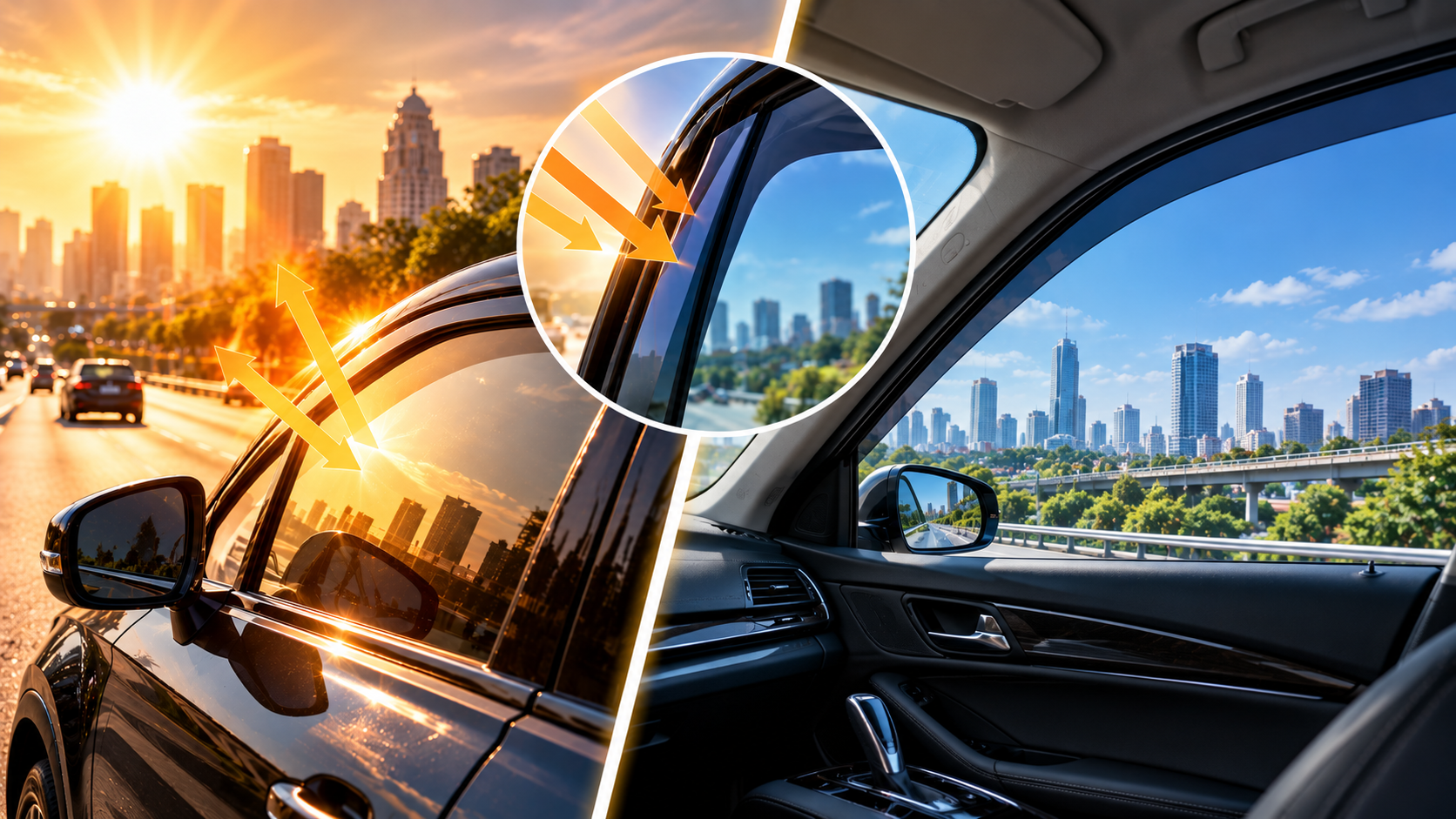
Automotive sun control film is designed to manage some of the solar energy entering through a vehicle's windows. It can help reduce heat, control glare and limit ultraviolet exposure while maintaining suitable visibility.
For drivers who regularly travel through South Bangalore, professionally installed Sun Control Film in Kanakapura Road can contribute to a cooler and more comfortable cabin during everyday commutes.
Why Does a Car Cabin Become So Hot?
A parked vehicle can quickly become uncomfortable when exposed to direct sunlight. Solar energy enters through the glass and heats surfaces such as the dashboard, seats, steering wheel and interior trim.
These heated surfaces then contribute to the overall temperature inside the vehicle.
The same problem can continue while driving, particularly during slow-moving traffic where a car remains exposed to sunlight for extended periods.
Air conditioning can cool the cabin, but reducing some of the solar energy entering through the windows can support a more comfortable interior environment.
How Does Sun Control Film Work?
Sun control film is applied to automotive glass to manage specific parts of solar energy passing through the windows.
Depending on the film technology and specification, it can help reject solar heat while also reducing UV exposure and glare.
3M's automotive window-film portfolio includes advanced products designed specifically for thermal comfort. For example, 3M states that its Crystalline Series CR BLK can reject up to 64% of total solar energy and up to 68% of infrared energy, although actual performance varies by the specific film option.
Choosing Sun Control Film in Kanakapura Road should therefore involve understanding the particular product rather than assuming every automotive film provides identical performance.
Reducing Heat Inside the Car
One of the main reasons motorists consider sun control film is cabin heat.
When less solar energy enters through the glass, the interior can feel more comfortable, especially during daytime travel. This can be useful for drivers who spend considerable time commuting or frequently park outdoors.
Heat reduction is also valuable for passengers seated near side windows, where direct sunlight may otherwise create uncomfortable hot spots.
The client's 3M Car Care Studio service page describes its sun control film as designed to reduce heat inside the vehicle and improve comfort during sunny driving conditions.
Making Bangalore Traffic More Comfortable
Bangalore traffic often means spending longer periods inside a vehicle than the actual distance of a journey might suggest.
During slow-moving daytime traffic, continuous exposure to sunlight through the windows can make the cabin uncomfortable even when the air conditioning is operating.
Using Sun Control Film in Kanakapura Road can help manage this solar exposure for drivers travelling regularly through Kanakapura Road and surrounding parts of South Bangalore.
It does not replace the vehicle's air-conditioning system. Instead, sun control film and air conditioning can work together as different parts of cabin climate management.
Reducing Uncomfortable Glare
Heat is not the only issue created by bright sunlight.
Glare can make daytime driving uncomfortable, particularly when strong sunlight enters through the side windows. Depending on the direction of travel and time of day, drivers may experience changing levels of brightness throughout their journey.
Appropriate automotive window film can reduce glare and make the cabin environment visually more comfortable.
However, visibility remains essential. Film selection should therefore consider both solar-control performance and the amount of visible light permitted to pass through the glass.
Helping Protect Against UV Exposure
Ultraviolet radiation is another reason automotive window films are used.
3M Car Care Studio Bangalore states that its Sun Control Film can block up to 99% of harmful UV rays. The service is positioned not only around passenger comfort but also around reducing UV exposure inside the vehicle.
This can be particularly relevant for people who spend significant time commuting during daylight hours.
Professional Sun Control Film in Kanakapura Road can therefore be considered for both thermal comfort and UV-management benefits, depending on the specific film selected.
Helping Preserve the Car Interior
Sunlight can affect more than the people inside a vehicle.
Repeated exposure to heat and UV radiation can contribute to the ageing of interior materials over time. Dashboards, upholstery and other cabin surfaces may gradually experience fading or deterioration depending on their material and level of exposure.
Reducing UV exposure can form part of a broader approach to maintaining a vehicle's interior.
The client's current Sun Control Film page specifically identifies protection against fading and cracking of interior surfaces as one of the service's intended benefits.
Regular interior cleaning and appropriate parking habits can complement this protection.
Can Sun Control Film Reduce Air-Conditioning Load?
When a vehicle has been sitting in the sun, the air-conditioning system must work to bring the cabin back to a comfortable temperature.
Reducing solar heat entering through the windows can help with cabin comfort and may reduce the cooling demand placed on the air-conditioning system.
However, the actual effect varies according to outside temperature, vehicle design, glass area, film performance and how the vehicle is being used.
Sun Control Film in Kanakapura Road should therefore be viewed as one element of thermal management rather than a replacement for air conditioning.
Using shaded parking where possible and ventilating an extremely hot cabin before switching to maximum cooling can also help.
Why Film Quality Matters
Not every automotive window film performs in the same way.
Products can differ in solar-energy rejection, infrared rejection, visible light transmission, UV performance, appearance and durability.
This is why car owners should consider technical performance rather than choosing a film solely because it appears darker.
Modern film technologies can provide solar-control benefits without necessarily relying on an extremely dark appearance. 3M's automotive range, for example, includes multilayer optical and ceramic nano-technologies designed to manage infrared and solar energy.
Selecting the appropriate product should take the vehicle, desired comfort and applicable regulations into account.
Why Professional Installation Matters
Even a high-quality film needs correct installation.
Automotive windows have different shapes and curves, requiring careful film preparation and application. The glass also needs to be properly cleaned before installation so contaminants do not become trapped beneath the film.
Poor application can result in bubbles, uneven edges or other visible imperfections.
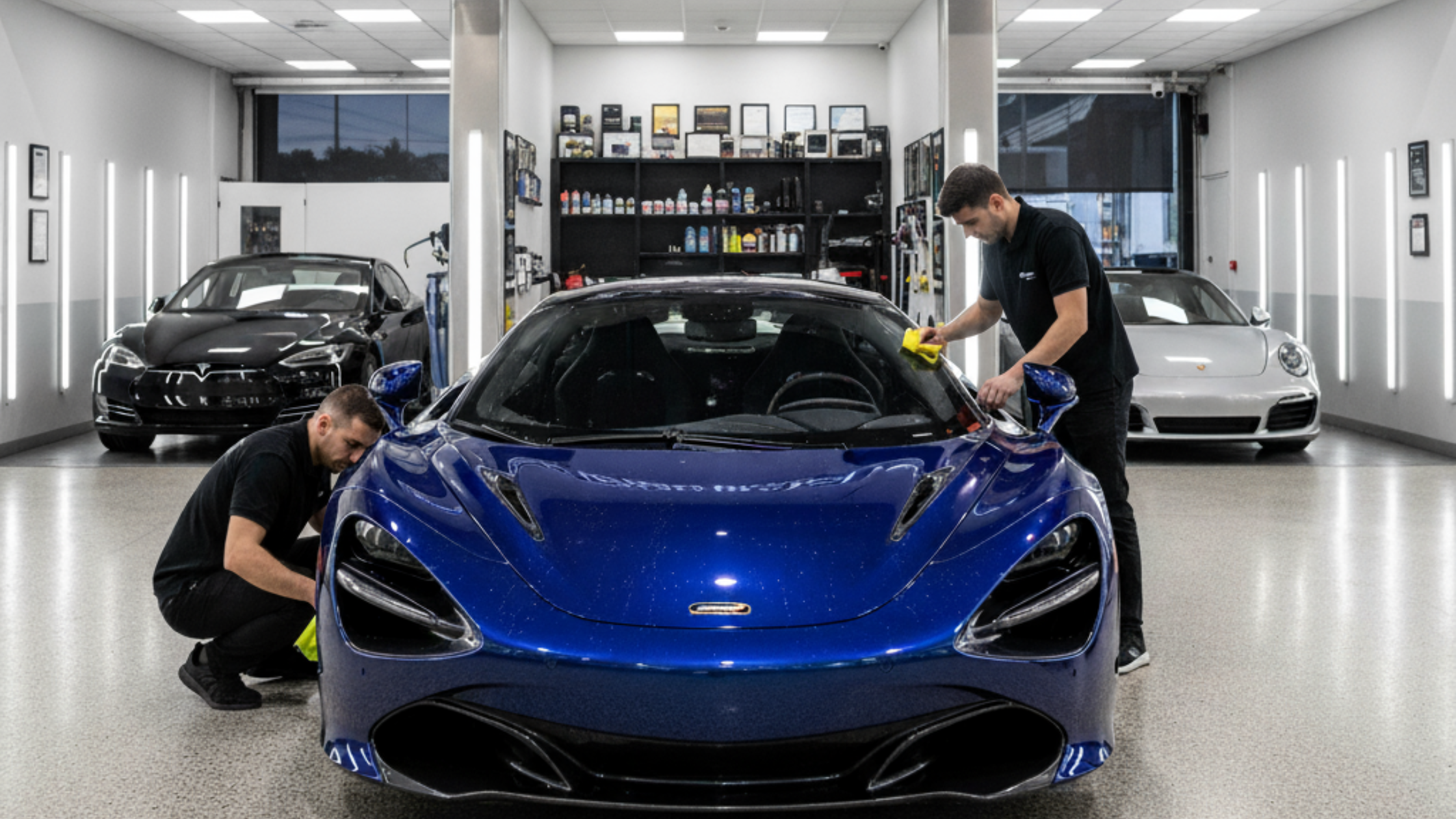
Professional Sun Control Film in Kanakapura Road can provide access to trained installation for drivers who want the film fitted correctly and consistently across the required windows.
The 3M Car Care Studio Bangalore website lists Kanakapura Road as one of its two Bangalore locations offering Sun Control Film services.
Consider Visibility and Applicable Regulations
Car owners should also consider legal requirements when choosing automotive window film.
Indian vehicle-glass rules and court directions regulate visible light transmission, so choosing a film should not be based only on how dark or private the windows appear.
Before installation, owners should confirm that the selected product and application meet the current requirements applicable to their vehicle.
This is another reason to discuss film specifications, visible light transmission and intended installation areas with a knowledgeable professional before proceeding.
Is Sun Control Film Useful for Daily Bangalore Driving?
The value of sun control film depends on how a vehicle is used.
Someone who drives mostly at night may experience different benefits from a person who spends hours commuting during the daytime. Cars frequently parked outdoors may also experience greater solar exposure than vehicles kept in covered parking.
For regular daytime commuters, Sun Control Film in Kanakapura Road can help create a more comfortable environment by addressing heat, glare and UV exposure.
The most suitable film should ultimately be selected according to vehicle glass, driving habits, desired performance and regulatory requirements.
Conclusion
Comfort inside a car depends on several factors, and solar exposure is an important one during daytime driving.
Sun control film can help manage heat entering through automotive glass, reduce uncomfortable glare and limit UV exposure. These benefits can also support the long-term care of interior materials exposed to sunlight.
For drivers travelling regularly around South Bangalore, professionally installed Sun Control Film in Kanakapura Road can be a practical addition to everyday cabin comfort.
The key is choosing an appropriate film based on verified performance specifications, professional installation, visibility needs and applicable automotive regulations rather than selecting a product based only on darkness or appearance.
Frequently Asked Questions
1. Does sun control film actually reduce heat inside a car?
Yes. Automotive sun control films are designed to reject a portion of solar energy entering through the glass. The amount of heat reduction varies according to the film technology and specification.
2. Does darker window film always provide better heat protection?
Not necessarily. Film darkness and heat rejection are different characteristics. Advanced automotive films can use specialised technologies to manage infrared and solar energy, so technical specifications are more useful than judging performance only by appearance.
3. Can sun control film protect a car's interior?
Sun control film can reduce UV exposure entering through automotive glass. This can help reduce one factor associated with fading and deterioration of interior materials over time.
4. Does sun control film eliminate the need for air conditioning?
No. Sun control film does not replace air conditioning. It helps manage solar heat entering through the windows, while the vehicle's AC system actively cools the cabin.
5. What should I check before installing sun control film?
Consider solar-energy rejection, infrared performance, UV protection, visible light transmission, installation quality and applicable regulations. The selected film should balance comfort with safe visibility and legal requirements.